
Iran News: Intense Political Crisis Explained
Iran News continues to capture global attention because the country is facing an intense political crisis. Moreover, this crisis is not only about politics but also about economic pressure, social change, and international tension. Therefore, understanding the situation requires a clear and simple explanation.
In addition, Iran plays a major role in the Middle East. Consequently, any crisis inside the country can affect the entire region. Furthermore, global powers closely watch Iran due to its strategic location and resources. As a result, this topic remains highly important.
What Is the Current Political Crisis in Iran?
The current crisis in Iran is a mix of internal unrest and external pressure. On one hand, people inside the country demand reforms. On the other hand, the government tries to maintain control.
Moreover, economic challenges have made daily life difficult. Therefore, public dissatisfaction has increased. At the same time, political disagreements within leadership add more tension. As a result, the situation becomes more complex.
In Iran News, reports often highlight protests, policy changes, and government responses. Consequently, these updates show how serious the crisis has become.
Historical Background of Iran’s Political System
Islamic Revolution and Its Impact
The 1979 Islamic Revolution changed Iran completely. Before that, Iran was ruled by a monarchy. However, the revolution replaced it with an Islamic system.
Therefore, religious leadership became central to governance. In addition, the new system aimed to reduce foreign influence. As a result, Iran adopted a unique political structure.
Structure of Power
Iran’s system includes both elected and religious leaders. The Supreme Leader holds the highest authority. Meanwhile, the President manages daily affairs.
However, the balance of power is not always simple. Therefore, disagreements sometimes occur within the system. Consequently, these internal issues contribute to the crisis seen in Iran News today.
Main Causes of the Political Crisis
Economic Pressure and Sanctions
One major cause is economic difficulty. International sanctions have limited Iran’s economy. Therefore, inflation and unemployment have increased.
Moreover, people struggle with rising prices. As a result, public frustration grows. In Iran News, economic concerns appear frequently.
Public Protests and Social Movements
Another important factor is public protest. Many citizens demand more freedom and better living conditions.
Furthermore, social media has helped people share their voices. Therefore, protests spread more quickly. Consequently, the government faces pressure from within.
Political Divisions
Internal divisions also play a role. Some leaders support reform, while others prefer strict policies.
Therefore, decision-making becomes slower. In addition, disagreements create uncertainty. As a result, the crisis deepens.
Role of Religion in the Crisis
Religion is a key part of Iran’s identity. Therefore, political decisions often reflect Islamic values.
However, some citizens want less religious control in politics. Meanwhile, others support the current system. Consequently, this difference creates tension.
In Iran News, discussions about religion and governance are common. As a result, this topic remains central to understanding the crisis.
Impact of International Relations
Tensions with the United States
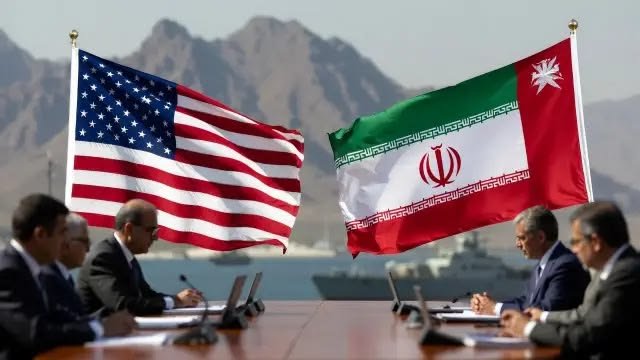
Relations between Iran and the United States remain tense. Therefore, sanctions and political pressure continue.
Moreover, disagreements over nuclear programs increase conflict. As a result, diplomacy becomes difficult.
Conflict with Israel
Iran also has ongoing tension with Israel. Therefore, military and political rivalry continues.
In addition, both sides view each other as threats. Consequently, this adds to regional instability.
Global Attention
Because of these tensions, global powers monitor Iran closely. Therefore, Iran News often includes international reactions.
As a result, the crisis is not only local but also global.
Economic Effects of the Crisis
Inflation and Currency Decline
Iran’s currency has lost value over time. Therefore, people face higher costs of living.
Moreover, inflation affects basic goods. As a result, daily life becomes harder.
Unemployment Issues
Job opportunities are limited. Therefore, many young people struggle to find work.
In addition, economic uncertainty discourages investment. Consequently, growth slows down.
Oil and Trade Challenges
Iran relies on oil exports. However, sanctions restrict sales.
Therefore, government revenue decreases. As a result, public services face pressure.
Social Impact of the Crisis
Youth and Education
Young people are deeply affected. Therefore, many seek opportunities abroad.
Moreover, education systems face challenges. As a result, future growth may slow.
Women’s Role in Society
Women play an important role in recent protests. Therefore, their voices are becoming stronger.
In addition, debates about rights and freedoms continue. Consequently, social change is ongoing.
Public Sentiment
People express mixed feelings. Some support the government, while others demand change.
Therefore, unity is difficult to achieve. In Global Muslim News, public opinion often appears divided.
Government Response to the Crisis
Policy Changes
The government has introduced reforms. However, some people believe there are not enough.
Therefore, criticism continues. As a result, trust remains low.
Security Measures
Authorities sometimes use strict measures to control protests. Therefore, tensions increase.
Moreover, this approach can lead to more unrest. Consequently, the cycle continues.
Media and Information Control
Media plays a major role in shaping opinions. However, information is sometimes controlled.
Therefore, people use alternative sources. In addition, social media becomes important.
As a result, Iran News spreads quickly both inside and outside the country.
Regional Impact of the Crisis
Middle East Stability
Iran’s crisis affects neighboring countries. Therefore, regional stability is at risk.
Moreover, alliances may change. Consequently, political balance shifts.
Energy Markets
Global oil prices can change due to Iran’s situation. Therefore, the crisis impacts economies worldwide.
In Iran News, energy issues often receive attention.
Possible Future Scenarios
Reform and Stability
If reforms succeed, stability may improve. Therefore, economic growth could return.
Moreover, better relations with other countries may develop. As a result, tensions could decrease.
Continued Unrest
However, if issues remain unresolved, protests may continue. Therefore, instability could grow.
In addition, economic challenges may worsen. Consequently, the crisis may deepen.
International Agreements
Diplomatic agreements could reduce pressure. Therefore, cooperation may increase.
As a result, Iran News may shift toward positive developments.
Why This Crisis Matters Globally
This crisis is important because Iran influences global politics. Therefore, any change affects many countries.
Moreover, energy markets depend on stability in the region. Consequently, economic impacts are widespread.
In addition, security concerns make this issue critical. As a result, world leaders focus on Iran.
Conclusion
Iran News clearly shows that the country is facing an intense political crisis. Moreover, this crisis involves economic problems, social movements, and international tensions. Therefore, it is complex and ongoing.
At the same time, internal divisions and external pressure make solutions difficult. However, efforts for reform and diplomacy continue. Consequently, the future remains uncertain.
Understanding this crisis helps explain broader Middle East politics. Therefore, following Iran News is essential for anyone interested in global affairs.
About The Author
