
Iran News: Global Impact of New Conflict
Iran News has become a major subject of international attention because a new conflict involving Iran can affect far more than the Middle East. Iran has a strategic location, major energy resources, strong regional relationships, and a long history of tension with Israel and the United States. Therefore, any serious military escalation can quickly create global political and economic concerns.
Why Iran Matters to the World
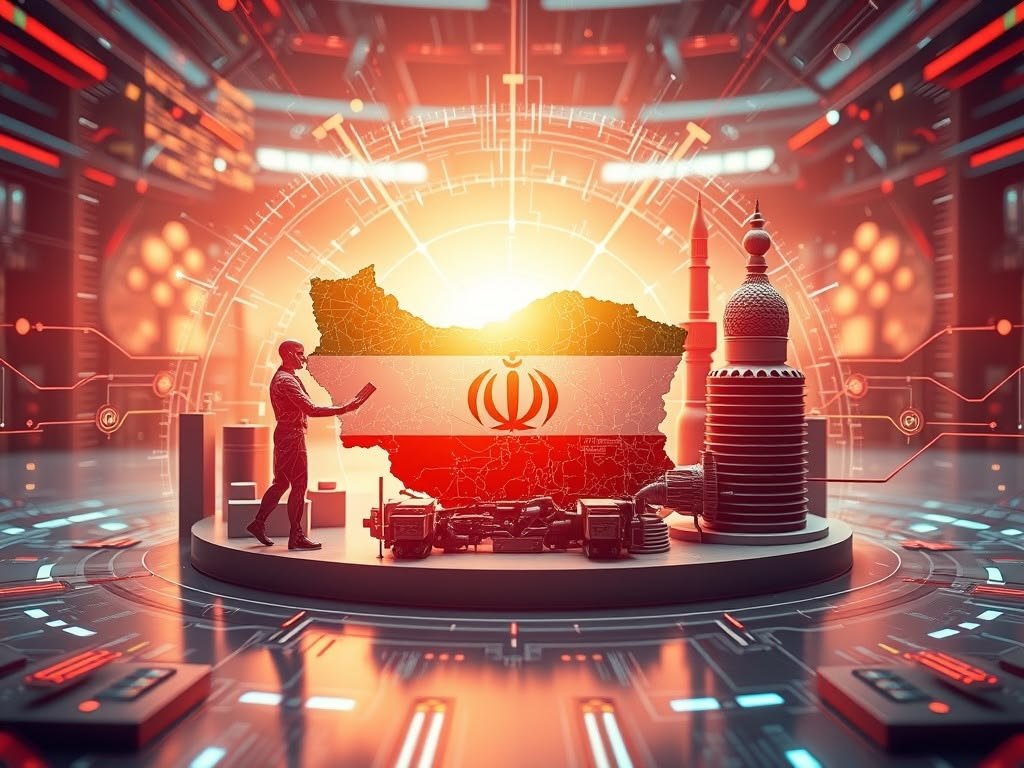
Iran is one of the most important countries in the Middle East. Its importance comes from several factors.
First, Iran has large oil and natural gas resources. Therefore, any serious disruption to its energy production or exports could affect international markets.
Second, Iran is located close to the Persian Gulf. This region is one of the world’s most important energy centers.
Third, the Strait of Hormuz lies between the Persian Gulf and the Gulf of Oman. A large amount of international energy trade passes through this narrow waterway.
Furthermore, Iran has political, economic, and security relationships with several countries and regional organizations. Consequently, a conflict involving Iran can create pressure in several parts of the Middle East.
Finally, Iran’s relationships with Israel, the United States, China, Russia, and European countries give the crisis a global dimension.
For these reasons, developments reported in Iran News can quickly become important to governments and financial markets worldwide.
Iran News: Understanding the New Conflict
The current conflict should not be viewed as a completely new dispute.
Instead, it exists within decades of tension between Iran and Israel and between Iran and the United States.
Iran and Israel have opposing views about regional security, Palestinian politics, military power, and Iran’s nuclear activities. Meanwhile, Washington and Tehran have remained deeply divided over sanctions, nuclear policy, regional influence, and security issues.
Therefore, a new military confrontation can activate many older disputes at the same time.
Iran and Israel
Iran has strongly criticized Israel and has supported the Palestinian cause for decades.
Israel, meanwhile, views Iran’s military capabilities, missile program, nuclear activities, and regional relationships as major security concerns.
Consequently, both sides see the other as a serious strategic threat.
Iran and the United States
Relations between Iran and the United States have been hostile for decades.
The United States has used sanctions and diplomatic pressure against Iran. At the same time, American forces and interests remain present in the wider Middle East.
Therefore, any direct confrontation involving Iran can create difficult decisions for Washington.
Iran News: The Global Energy Impact
One of the biggest concerns surrounding Iran News is energy security.
The Middle East remains central to the global oil and gas system. Therefore, a major conflict can affect energy prices even if the physical supply of oil does not immediately fall.
Markets often react to risk before actual shortages appear.
If traders believe that oil production, pipelines, ports, or shipping routes could be threatened, prices may rise.
Why Oil Markets React Quickly
Oil is a globally traded commodity.
Therefore, a disruption in one major producing region can influence prices in many countries.
Higher oil prices can then affect:
- Transportation
- Electricity costs
- Manufacturing
- Aviation
- Food delivery
- Agriculture
- Household budgets
Consequently, a regional military crisis can create economic pressure around the world.
Iran News: The Strait of Hormuz
The Strait of Hormuz is one of the most important strategic locations in the conflict.
It is a narrow maritime passage connecting the Persian Gulf with the Gulf of Oman and the wider Indian Ocean.
Large quantities of oil and gas move through the area.
Therefore, any serious threat to shipping could create global concern.
Even if ships continue moving through the strait, higher security risks can increase insurance costs. Furthermore, shipping companies may take additional safety measures.
As a result, transportation can become more expensive.
Iran News: Natural Gas and Energy Security
Natural gas is also important because Qatar and other Gulf producers depend on maritime routes in the region.
European and Asian countries are major buyers of liquefied natural gas.
Therefore, a serious security problem in the Gulf could increase competition for alternative gas supplies.
This could create higher prices and additional pressure on countries that rely heavily on imported energy.
Iran News: Impact on Inflation
Energy prices are closely linked to inflation.
When fuel becomes more expensive, transportation costs often increase.
Then, companies may pass those costs to consumers.
For example, a higher fuel bill can increase the cost of moving food from farms to markets. Similarly, manufacturers may face greater expenses for shipping raw materials and finished products.
Therefore, a conflict thousands of kilometers away can eventually affect supermarket prices and household expenses.
This is one of the most important global economic effects discussed in Iran News Updates.
Iran News: Impact on Global Trade
The Middle East is positioned between major economic regions.
Europe, Asia, and Africa depend on important shipping routes in and around the region.
Therefore, a prolonged conflict can create supply chain problems.
Shipping companies may avoid dangerous areas and choose longer routes.
However, longer routes require more fuel and time.
As a result, delivery costs can increase.
Possible Shipping Problems
A prolonged crisis could lead to:
- Higher insurance costs
- Longer shipping routes
- Delayed deliveries
- Higher fuel expenses
- Increased security costs
- Port congestion
- Higher prices for imported goods
Consequently, global trade could become more expensive.
Impact on Asian Economies
Asian economies may feel strong effects because many Asian countries import large quantities of energy.
China, India, Japan, and South Korea are major energy consumers.
Therefore, higher oil and gas prices could increase costs for their industries.
China also has significant economic interests in Iran and the wider Middle East.
India has major trade and energy interests in the Gulf.
Japan and South Korea depend heavily on stable energy imports.
As a result, Asian governments have strong reasons to support regional stability.
Impact on Europe
Europe is also vulnerable to global energy shocks.
Although European countries have diversified energy sources in recent years, higher international prices can still affect consumers and industries.
Energy intensive businesses may face higher production costs.
Furthermore, European governments may need to increase diplomatic efforts to reduce regional tensions.
Therefore, the conflict can become both an economic and diplomatic issue for Europe.
Impact on the United States
The United States has significant domestic energy production.
Therefore, it may be less dependent on Middle Eastern oil than some other countries.
However, American consumers and companies remain connected to global energy prices.
If international oil prices rise, American fuel prices can also be affected.
Furthermore, the United States has military personnel, bases, and diplomatic interests across the Middle East.
Consequently, an expanded conflict could create direct security risks for American forces.
Impact on Israel
Israel is directly exposed to the security consequences of the conflict.
Military escalation can threaten civilian areas, infrastructure, businesses, and transportation.
Israel has advanced air defense systems and strong military capabilities.
Nevertheless, prolonged fighting can still create economic costs.
Businesses may reduce investment. Tourism may decline. Government spending may rise.
Therefore, military strength does not eliminate the economic and social costs of war.
Impact on Iran
Iran may face serious economic pressure from an extended conflict.
The country has already dealt with sanctions, inflation, currency pressure, and restrictions on international trade.
A new conflict could increase these challenges.
Energy exports could face greater risks.
Foreign investment could become more difficult.
Transportation could also become more expensive.
Furthermore, government resources may have to shift toward security and defense.
As a result, ordinary Iranian families could face additional economic pressure.
Financial Market Reactions
Financial markets generally dislike uncertainty.
Therefore, a sudden military escalation can cause investors to become more cautious.
Some investors may move money toward assets that they consider safer.
At the same time, companies connected to energy and defense may receive increased attention.
However, markets can change quickly.
If diplomatic negotiations reduce tensions, prices may fall again.
On the other hand, a new escalation can create another wave of market pressure.
Therefore, investors often watch political statements and military developments very closely.
Impact on Currency Markets
Currency markets can also react to geopolitical risk.
When investors become worried, they may seek currencies viewed as relatively stable.
Meanwhile, currencies in countries that depend heavily on imported energy can experience pressure if energy costs rise sharply.
Consequently, the economic effects of a regional conflict can spread through exchange rates as well as commodity prices.
Conclusion
Iran News should be followed through reliable sources and careful analysis. Military conditions can change quickly, while early reports may contain incomplete information. Therefore, readers should distinguish verified facts from official claims, opinions, predictions, and rumors.
The global impact of the new Iran conflict could extend far beyond the battlefield. Energy markets, international trade, inflation, financial markets, shipping, air travel, diplomacy, and global security can all be affected.
About The Author
