
Iran News: Complete Analysis of Middle East Crisis
The Middle East continues to remain one of the most politically sensitive and strategically important regions in the world. Because of ongoing wars, military alliances, religious influence, and economic interests, global attention regularly focuses on countries such as Iran, Israel, Saudi Arabia, Syria, and the United States. Among all regional topics, Iran News receives major international attention due to Iran’s growing political and military influence.
Overview of Iran’s Political Identity
The Islamic Revolution of 1979
Modern Iran changed completely after the Islamic Revolution of 1979. Before the revolution, Iran was ruled by Shah Mohammad Reza Pahlavi, who maintained close relations with Western governments, especially the United States.
However, many Iranians opposed corruption, foreign influence, and authoritarian rule. Consequently, the revolution led by Ayatollah Ruhollah Khomeini replaced the monarchy with an Islamic republic.
Since then, Iran has followed a political system based on Islamic principles and republican institutions.
Iran as an Islamic Republic
Iran officially calls itself the Islamic Republic of Iran. The political system combines elected government institutions with religious leadership.
According to Iran’s constitution, Islamic law and political governance work together. Therefore, religious scholars hold major influence over political decisions and national policies.
Supreme Leader and Government Structure
The Supreme Leader remains the highest authority in Iran. Ayatollah Ali Khamenei currently serves in this position. He controls military institutions, intelligence agencies, judicial leadership, and major foreign policy decisions.
Meanwhile, Iran also elects a president and parliament. The president handles domestic administration, economic policies, and diplomatic affairs. However, strategic military and security decisions often require approval from the Supreme Leader.
Because of this structure, understanding Iran’s leadership system is very important when following modern Iran News.
Why Iran Is Important in Middle East Politics
Strategic Geographic Position
Iran has one of the most important geographic locations in the world. It connects Central Asia, South Asia, and the Middle East. Furthermore, Iran borders the Persian Gulf and the Strait of Hormuz.
The Strait of Hormuz is extremely important because a large percentage of global oil exports pass through this waterway. Therefore, any military tension involving Iran can immediately affect international energy markets.
Population and Cultural Influence
Iran has a large population with a rich Islamic and Persian cultural history. Persian civilization influenced science, literature, architecture, philosophy, and Islamic scholarship for centuries.
Moreover, Iran continues to maintain cultural and religious influence across many Muslim communities in the region.
Iran’s Regional Alliances
Iran developed strong relationships with several regional governments and armed groups. These alliances allow Tehran to expand its political and military influence.
Supporters argue that Iran protects regional independence against foreign intervention. However, critics believe Iran’s regional activities increase instability and conflict.
Iran and the Israel Conflict
Historical Background of Hostility
The relationship between Iran and Israel changed dramatically after the Islamic Revolution. Before 1979, both countries maintained diplomatic cooperation.
However, after the revolution, Iran strongly opposed Israeli policies regarding Palestine and occupied territories. Since then, Iranian leaders regularly criticized Israeli military operations in Gaza and the West Bank.
Because of these political differences, Iran and Israel became major regional rivals.
Palestine and Iran’s Position
Iran consistently supports Palestinian rights and Palestinian resistance groups. Iranian leaders describe Palestinian struggles as resistance against occupation and oppression.
Furthermore, Iran often provides political support and humanitarian assistance connected to Palestinian causes.
On the other hand, Israel accuses Iran of supporting armed groups that threaten Israeli national security.
Israeli Concerns About Iran
Israel considers Iran one of its biggest security threats. Israeli officials remain concerned about Iran’s missile technology, nuclear program, and regional alliances.
Consequently, Israel frequently targets positions linked to Iranian forces in Syria and nearby regions.
Proxy Wars in the Region
Although Iran and Israel rarely engage in direct military battles, they often confront each other indirectly through proxy conflicts.
For example, Hezbollah in Lebanon maintains close political and military relations with Iran. Meanwhile, Israel regularly monitors Hezbollah activities along its northern border.
As a result, Lebanon and Syria frequently become areas of regional military tension.
Iran and the United States Relationship
From Allies to Rivals
Before the Islamic Revolution, Iran and the United States maintained close strategic relations. However, political relations collapsed after the 1979 hostage crisis at the American embassy in Tehran.
Since then, both countries experienced decades of political hostility, economic sanctions, and military tension.
Economic Sanctions Against Iran
The United States imposed major sanctions against Iran’s oil industry, banking system, and international trade sectors.
Because of these restrictions, Iran faced inflation, unemployment, and currency problems. Ordinary Iranian citizens experienced rising living costs and financial pressure.
Nevertheless, Iranian leaders argue that the country continues resisting economic pressure through self-reliance and regional partnerships.
Iran Nuclear Program
Iran’s nuclear activities remain one of the most discussed subjects in global diplomacy. Iran states that its nuclear program focuses on peaceful energy production and scientific development.
However, the United States and several Western countries fear Iran could eventually develop nuclear weapons.
The Nuclear Agreement
In 2015, Iran signed the Joint Comprehensive Plan of Action with world powers. Under this agreement, Iran accepted restrictions on nuclear activities in exchange for sanctions relief.
Nevertheless, the United States later withdrew from the agreement during Donald Trump’s presidency. Consequently, tensions increased again.
Since then, diplomatic negotiations continued, although major disagreements still remain unresolved.
Recent Iran, Israel, and USA War Updates
Rising Military Escalation
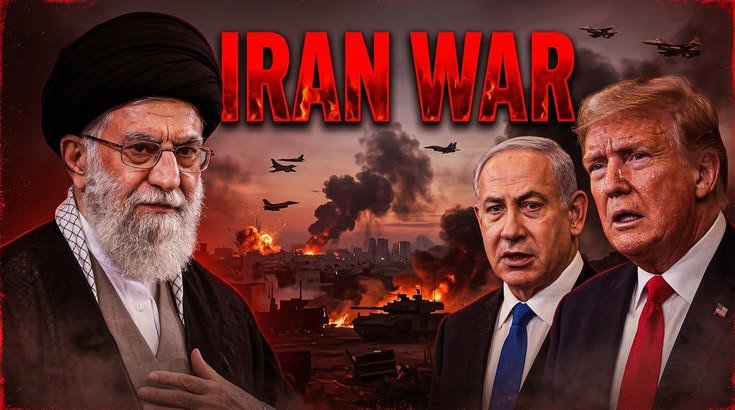
Recent years witnessed serious military escalation involving Iran, Israel, and the United States. Airstrikes, missile attacks, drone operations, and naval incidents increased regional instability.
Although a full-scale direct war has not officially started, the situation remains highly dangerous.
Gaza Conflict and Regional Reactions
The Gaza conflict significantly increased tensions throughout the Middle East. Iran strongly criticized Israeli military operations in Gaza and expressed support for Palestinian civilians.
Meanwhile, the United States supported Israel’s right to defend itself while also calling for humanitarian assistance and ceasefire discussions.
Because several armed groups connected to Iran increased attacks against Israeli and American targets, fears of wider regional conflict expanded rapidly.
Drone Warfare and Missile Technology
One of the biggest developments in modern Iran News involves drone warfare. Iran developed advanced drones and missile systems that changed regional military calculations.
Military analysts believe Iran’s drone capabilities now represent a major strategic advantage.
Consequently, neighboring countries increased defense spending and security cooperation with Western allies.
Red Sea Tensions
The Red Sea became another major conflict area during recent months. Commercial shipping routes experienced attacks connected to regional political tensions.
As a result, the United States increased naval operations to protect international trade.
Iran denied direct involvement in several incidents. However, Western governments continued expressing concern about regional escalation.
US Military Presence in the Middle East
The United States maintains military bases across several Middle Eastern countries, including Iraq, Syria, Bahrain, and Qatar.
American officials argue that these military deployments support regional security and counterterrorism operations.
However, Iran frequently criticizes foreign military presence near its borders.
Airstrikes in Syria and Iraq
Israel and the United States conducted multiple airstrikes against targets connected to Iranian-backed groups in Syria and Iraq.
Meanwhile, Iran warned that continued military pressure could create broader regional consequences.
Because of these developments, global leaders repeatedly called for diplomatic solutions and restraint.
Conclusion
The Middle East remains one of the world’s most politically complex regions. Because of military conflicts, economic sanctions, religious influence, and international alliances, regional tensions involving Iran, Israel, and the United States continue attracting global attention.
Iran holds major influence through its political system, military capabilities, strategic alliances, and support for regional causes such as Palestine. At the same time, Israel and the United States continue viewing Iran as a major security challenge.
About The Author
