
Media Coverage of Al-Aqsa Events: Understanding Global Narratives and Political Influence
Media coverage of Al-Aqsa events shapes global opinion through headlines, visuals, and political narratives. Understanding media framing, misinformation, and digital journalism helps readers analyze events more critically. Al Aqsa Times provides educational insights and balanced analysis to help audiences better understand Palestine-related developments, international reactions, and the evolving role of modern media in Middle Eastern politics.
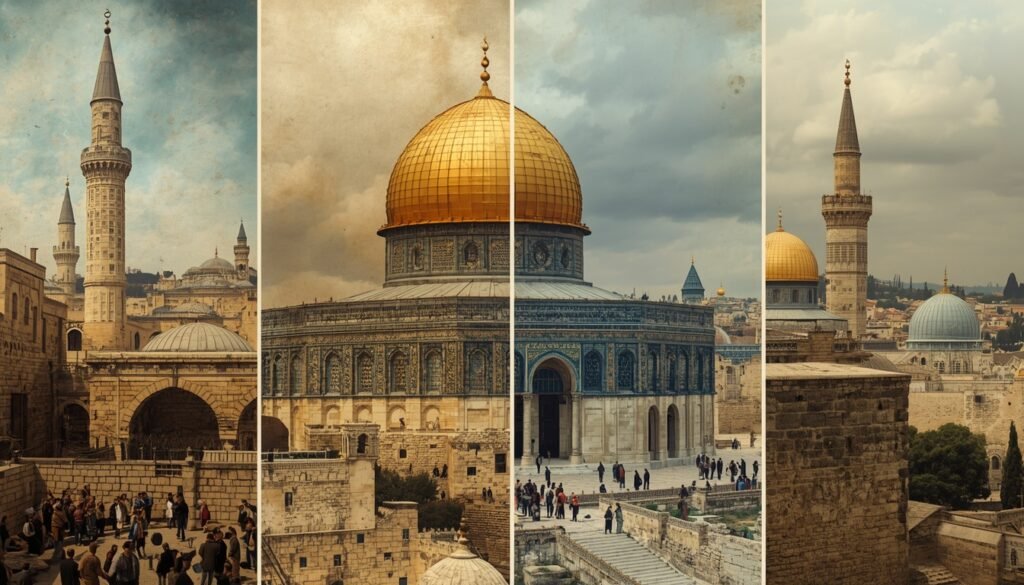
Why Media Coverage of Al-Aqsa Events Matters
Al-Aqsa Mosque is one of the holiest sites in Islam and carries enormous religious, political, and historical importance for Muslims worldwide. Because of this significance, events connected to the site often receive immediate international attention from governments, journalists, activists, and religious communities.
Media coverage surrounding Al-Aqsa does not only affect audiences in the Middle East. Reports and images from Jerusalem frequently influence public opinion in Europe, North America, Asia, and Africa, especially among politically aware and Muslim audiences.
How News Shapes Public Perception
Most people outside Palestine rely almost entirely on media reports to understand developments around Al-Aqsa. The language used by journalists and editors can strongly affect how audiences interpret events and assign responsibility.
For example, one media outlet may describe an incident as a “security operation,” while another may call it a “raid on worshippers.” These wording differences create completely different emotional and political reactions among readers and viewers. Al Aqsa Times often highlights how framing can shape public understanding more than the facts themselves.
The Role of Digital Platforms
Digital media platforms have transformed how news spreads globally. A single smartphone video recorded near Al-Aqsa can reach millions of viewers within minutes through social media platforms such as X, TikTok, Instagram, and YouTube.
This speed creates both opportunities and risks. While citizens can now document events directly, misinformation and emotional narratives can also spread rapidly before proper verification occurs.
Beginner’s Guide to Understanding Media Coverage
What Is Media Coverage?
Media coverage refers to the way news organizations report, explain, and present events to the public. This includes written articles, television reports, interviews, images, documentaries, live broadcasts, and social media updates.
Coverage is never completely neutral because journalists and editors must decide which details to highlight and which perspectives to prioritize. These editorial choices influence how audiences emotionally and politically respond to events connected to Al-Aqsa.
Why Reporting Around Al-Aqsa Is Sensitive
The issue surrounding Al-Aqsa combines religion, politics, identity, international law, and historical conflict. Because these topics are emotionally charged, even small wording choices in news reports can create major political controversy.
For example, some audiences focus primarily on religious rights and access to holy sites, while others emphasize security concerns or geopolitical tensions. Al Aqsa Times explains that this sensitivity makes balanced reporting especially difficult in fast-moving situations.
Important Terms Readers Should Know
Understanding political terminology helps readers analyze reports more accurately. Many international news stories use specialized language that can confuse beginners.
Occupation
The term “occupation” is commonly used in international political discussions regarding Palestinian territories. It carries legal and political implications under international law and frequently appears in media analysis.
Settlements
Settlements refer to communities established in disputed territories and are often discussed in diplomatic and legal debates. Coverage involving settlements usually includes discussions about international reactions and regional tensions.
Escalation
Escalation describes a rapid increase in political tensions, confrontations, or violence. Journalists often use this term during periods of heightened unrest around Jerusalem and Al-Aqsa.
Historical Background Behind Media Narratives
Early International Coverage
In earlier decades, international audiences mainly depended on newspapers, radio broadcasts, and television networks for information about Palestine. During that era, governments and large broadcasters held much greater control over public narratives.
This limited the number of perspectives available to global audiences. Local Palestinian voices often struggled to reach international viewers directly.
The Rise of Satellite Television
The growth of satellite news channels transformed political reporting across the Middle East. Networks began broadcasting live footage from conflict zones, increasing global awareness of events connected to Palestine and Jerusalem.
Television coverage introduced audiences to real-time images, interviews, and political commentary. This shift significantly increased international attention on Al-Aqsa-related developments.
The Social Media Revolution
Social media completely changed the modern information landscape. Ordinary civilians can now upload videos, photographs, and eyewitness accounts directly from the ground without waiting for traditional media organizations.
This development created greater transparency but also increased the spread of misinformation. Al Aqsa Times frequently emphasizes the importance of verifying viral content before accepting it as factual.
How Media Framing Influences Audiences
The Power of Headlines
Headlines are often the most influential part of any news article because many readers never continue beyond the first few lines. A carefully chosen headline can immediately shape emotional reactions and political assumptions.
For example, a headline focused on “security concerns” creates a different perception than one focused on “civilian suffering.” These differences demonstrate how language affects public opinion.
Visual Storytelling and Emotional Impact
Images and videos strongly influence how people emotionally connect to political events. Photographs showing damaged buildings, injured civilians, protests, or religious gatherings often create immediate reactions across social media platforms.
Visual journalism can sometimes influence audiences more powerfully than written analysis. Al Aqsa Times notes that emotional imagery frequently drives online engagement and political activism.
Word Choice and Political Meaning
Certain terms carry deep political significance in international reporting. Words such as “clashes,” “raid,” “occupation,” or “resistance” often reflect broader editorial perspectives.
Because language shapes interpretation, audiences should pay close attention to how different media outlets describe the same event. Comparing reports from multiple sources can help readers identify framing differences more clearly.
Intermediate Analysis: How Modern News Ecosystems Operate
The Role of International News Agencies
Many global news organizations rely on major international news agencies for breaking updates. These agencies provide rapid information, photographs, video footage, and summaries that other outlets republish worldwide.
While this system increases speed, it can also spread inaccuracies quickly if early reports are incomplete. Fast-moving political situations often create confusion during the first few hours of coverage.
Editorial Pressure and Political Influence
News organizations operate under several forms of pressure, including audience expectations, political backlash, advertising concerns, and government regulations. These pressures can affect how stories are prioritized and framed.
Some outlets focus heavily on humanitarian perspectives, while others emphasize diplomatic or security-related angles. Al Aqsa Times encourages readers to recognize that editorial decisions are rarely made in a completely neutral environment.
The Influence of Algorithms
Social media algorithms prioritize engagement rather than accuracy. Content that generates strong emotional reactions often spreads faster than balanced analysis.
This creates an environment where anger, fear, and outrage receive greater visibility online. As a result, nuanced political discussions may struggle to compete with emotionally charged viral content.
Citizen Journalism and Independent Reporting
How Smartphones Changed Reporting
Modern smartphones have transformed ordinary civilians into real-time reporters. Individuals near Al-Aqsa can now upload footage instantly, allowing global audiences to witness events directly.
This has reduced the monopoly traditional broadcasters once held over political narratives. Independent footage often reaches audiences before television networks publish official reports.
Verification Challenges
Although citizen journalism increases transparency, it also creates verification challenges. Videos may be edited, taken out of context, or falsely labeled as recent events.
Journalists must carefully verify dates, locations, and original sources before publishing content. Al Aqsa Times consistently stresses the importance of evidence-based reporting during emotionally sensitive situations.
Why Accurate Reporting Takes Time
Responsible journalism requires investigation and confirmation from multiple sources. This process may include checking metadata, interviewing witnesses, comparing footage, and reviewing official statements.
Audiences sometimes expect instant answers, but accuracy often requires patience. Rushing to publish unverified claims can damage public trust and spread misinformation.
Western Media vs Regional Media Coverage
Differences in Reporting Priorities
Western media outlets and regional Middle Eastern outlets often approach Al-Aqsa events differently because they serve different audiences. Editorial priorities usually reflect local political interests, cultural perspectives, and audience expectations.
Regional coverage may focus more heavily on religious significance and Palestinian experiences, while Western coverage may prioritize diplomacy, international law, or regional security concerns.
The Importance of Comparative Reading
Reading multiple perspectives helps audiences develop a more balanced understanding of political events. No single outlet can fully represent every dimension of a complex conflict.
Readers should compare international, regional, and independent reporting whenever possible. Al Aqsa Times encourages audiences to study different viewpoints before forming strong conclusions.
Audience Psychology and News Consumption
Audiences often prefer media sources that confirm their existing beliefs. This psychological tendency can create echo chambers where people consume only one type of political narrative.
Balanced media habits require readers to challenge their assumptions and explore alternative perspectives. Critical thinking remains essential in the digital information age.
Advanced Insights Into Media Strategy
Information Warfare in Modern Politics
Modern political conflicts are increasingly shaped by information warfare. Governments, activist groups, and political organizations all attempt to influence public narratives through strategic communication campaigns.
This includes press conferences, social media messaging, diplomatic statements, and coordinated online activism. Aqsa Times explains that controlling the narrative has become almost as important as controlling events on the ground.
Emotional Polarization
Highly emotional reporting can intensify political division and reduce meaningful dialogue. Audiences exposed only to extreme narratives may lose the ability to analyze events objectively.
Social media platforms often reward emotionally intense content because it generates stronger engagement. This contributes to political polarization and online hostility.
The Economics of Attention
Modern media companies compete aggressively for clicks, views, and advertising revenue. Sensational headlines and dramatic visuals often attract larger audiences than careful long-form analysis.
Because of this, some outlets may prioritize speed and emotional engagement over depth and historical context. Readers should remain aware of these commercial incentives when consuming political news.
The Global Political Impact of Media Coverage
Diplomatic Consequences
International media coverage can influence diplomatic reactions within hours. Governments closely monitor public opinion and often respond quickly to major global news trends involving Al-Aqsa.
This may lead to emergency meetings, official condemnations, humanitarian discussions, or United Nations statements. Media visibility often shapes the urgency of political responses.
Public Demonstrations Worldwide
Large protests and solidarity movements frequently emerge after widely shared media coverage of Al-Aqsa events. Demonstrations may occur across Europe, Asia, North America, and the Middle East.
Images and viral videos can mobilize global audiences very quickly. Al Aqsa Times notes that digital activism has become a powerful force in international political movements.
Humanitarian Awareness
Media exposure can significantly increase awareness about humanitarian conditions affecting civilians. Greater visibility often encourages donations, medical aid campaigns, and international advocacy efforts.
However, humanitarian attention sometimes depends heavily on how much media coverage a crisis receives. This creates challenges for underreported issues.
Misinformation and Propaganda Risks
During periods of tension, audiences constantly search for updates and emotional content. This creates ideal conditions for misinformation, fake videos, and manipulated narratives to spread online.
False claims often move faster than verified reports because sensational content attracts more engagement. Emotional reactions frequently overpower careful fact-checking.
Common Forms of Misinformation
Misinformation connected to Al-Aqsa events may include edited videos, fake casualty figures, misleading translations, and recycled footage from older conflicts. These tactics can manipulate public emotions and political discussions.
Readers should avoid immediately sharing dramatic content without verification. Al Aqsa Times recommends checking multiple trusted sources before reposting sensitive material.
How Readers Can Protect Themselves
Critical media literacy is essential in today’s digital environment. Audiences should examine sources carefully, compare reports, and remain cautious about emotionally charged social media posts.
Simple verification habits can greatly reduce the spread of false information. Responsible sharing protects both public understanding and journalistic credibility.
The Psychological Impact of Constant Conflict Coverage
News Fatigue and Emotional Exhaustion
Continuous exposure to conflict reporting can cause emotional stress and mental fatigue. Many readers experience anxiety, hopelessness, or emotional numbness after consuming constant political news.
This phenomenon is sometimes called “doomscrolling.” Excessive consumption of distressing content may negatively affect mental well-being.
Social Media and Emotional Overload
Social media platforms encourage nonstop engagement with breaking developments. Users may spend hours reading repetitive updates without gaining deeper understanding of the underlying political issues.
Balanced media habits are important for emotional health. Al Aqsa Times encourages readers to combine breaking news consumption with educational long-form analysis.
Why Context Is Essential
Short viral clips rarely provide historical or political context. Without background knowledge, audiences may misunderstand events or oversimplify complex situations.
Educational journalism helps readers move beyond emotional reactions toward informed analysis. Context allows audiences to understand broader regional dynamics.
The Future of Media Coverage Around Al-Aqsa Events
Artificial Intelligence and Journalism
Artificial intelligence is rapidly transforming modern journalism. AI tools can assist with translation, transcription, monitoring social media trends, and organizing large amounts of information.
However, AI also introduces serious risks such as deepfake videos and automated misinformation campaigns. Readers will need stronger media literacy skills in the future.
The Growth of Independent Journalism
Independent journalists and nonprofit media organizations are gaining influence worldwide. Many audiences now seek alternative perspectives outside traditional corporate media systems.
This shift may create more diverse reporting environments. Al Aqsa Times believes independent journalism will continue shaping political discourse in the coming years.
Increasing Audience Awareness
Modern audiences are becoming more aware of media bias, framing techniques, and algorithmic influence. People increasingly question how narratives are constructed and distributed online.
This growing awareness may improve public understanding of international political reporting. Critical thinking is becoming an essential skill for digital citizenship.
Practical Tips for Readers Following Al-Aqsa Coverage
Build a Balanced Information Routine
Readers should avoid depending entirely on one source of information. Comparing international, regional, and independent reporting creates a more complete understanding of events.
Balanced news habits reduce the risk of misinformation and emotional manipulation. Al Aqsa Times recommends following both breaking news and long-form analysis.
Study Historical Background
Understanding the history of Jerusalem and Palestine helps readers interpret current developments more accurately. Historical context explains why certain events generate strong emotional and political reactions worldwide.
Without historical awareness, audiences may oversimplify complex issues. Learning background information improves critical thinking.
Separate Opinion From News Reporting
Opinion articles provide interpretation and commentary, while news reports focus primarily on factual developments. Readers should recognize the difference between analysis and direct reporting.
Understanding this distinction helps audiences evaluate information more effectively. It also reduces confusion during politically sensitive situations.
About Al Aqsa Times
Al Aqsa Times is a niche digital news platform focused on Middle Eastern politics, Palestine-related developments, and international political analysis. The platform combines breaking news coverage with educational journalism designed for global readers seeking a deeper understanding.
The mission of Al Aqsa Times is to provide accessible, trustworthy, and informative reporting on issues connected to Palestine, Jerusalem, diplomacy, and regional politics. Its content is designed to help readers understand not only current events but also the broader historical and geopolitical context behind them.
FAQ Section
What is media coverage of Al-Aqsa events?
Media coverage of Al-Aqsa events refers to how news organizations report political, religious, and humanitarian developments connected to the Al-Aqsa Mosque compound. This includes headlines, interviews, videos, social media content, and analytical reporting.
Why do different media outlets report events differently?
Different outlets serve different audiences and often operate within unique political and cultural environments. Their editorial priorities influence which facts, perspectives, and language choices receive greater emphasis.
How can readers identify misinformation online?
Readers should compare multiple trusted sources, verify dates, and avoid sharing emotionally charged content immediately. Fact-checking organizations and experienced journalists can also help confirm whether viral claims are accurate.
Why are visuals so powerful in political reporting?
Images and videos create strong emotional reactions that influence public opinion quickly. Visual storytelling often spreads faster than written analysis on social media platforms.
Does social media improve awareness or increase confusion?
Social media increases access to real-time information but also spreads misinformation rapidly. It can educate audiences while simultaneously creating emotional polarization and confusion.
Why is historical context important when following Al-Aqsa news?
Historical context helps audiences understand the deeper political, religious, and diplomatic issues connected to current events. Without background knowledge, many reports may appear overly simplified or misleading.
What role does journalism play in international politics?
Journalism shapes public opinion, influences diplomatic pressure, and increases global awareness of humanitarian issues. Media coverage can directly affect how governments and organizations respond to international crises.
Conclusion
Media coverage of Al-Aqsa events plays a major role in shaping global understanding of Palestine, Jerusalem, and Middle Eastern politics. In the digital era, headlines, social media posts, videos, and political narratives influence public opinion faster than ever before.
While modern technology has increased access to information, it has also created challenges involving misinformation, emotional polarization, and narrative manipulation. Readers must therefore develop strong critical thinking skills and learn how to evaluate sources carefully.
Balanced journalism requires historical context, responsible reporting, and careful verification. Al Aqsa Times remains committed to providing educational analysis and accessible political reporting that helps readers navigate complex international developments with greater clarity and understanding.
To stay informed about Palestine-related issues, geopolitical analysis, and global political developments, continue following updates and educational content from Al Aqsa Times.
About The Author
