
Al Aqsa Times: Peace Efforts Around Al-Aqsa Mosque
Peace efforts related to Al-Aqsa Mosque involve diplomacy, international mediation, interfaith dialogue, and preservation of Jerusalem’s religious status quo. The issue remains central to Middle East politics and global Muslim concerns. Al Aqsa Times highlights how regional cooperation, humanitarian awareness, and responsible journalism can support stability, reduce tensions, and encourage informed discussion about Palestine and Jerusalem.
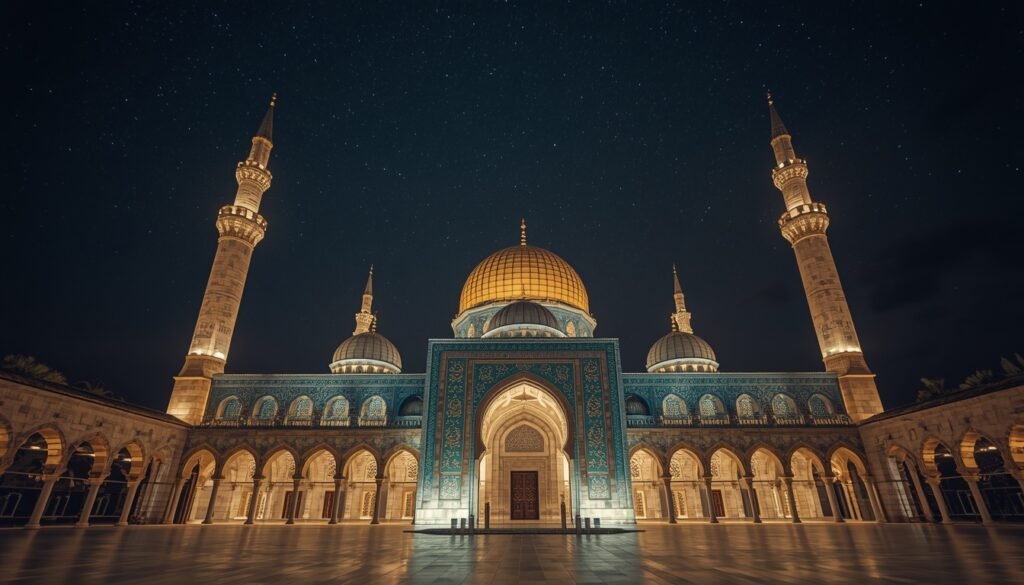
Understanding the Importance of Al-Aqsa Mosque
Al-Aqsa Mosque is considered the third holiest site in Islam after the mosques in Mecca and Medina.
Muslims believe it was the destination of the Prophet Muhammad’s Night Journey. The site also includes the Dome of the Rock and carries deep historical and spiritual meaning for Palestinians and Muslims worldwide.
For Jews, the same area is associated with the ancient Temple Mount, making it sacred in Judaism as well.
This overlapping religious importance is one reason tensions often escalate rapidly.
Coverage from Al Aqsa Times consistently notes that disputes over access, prayer rights, and security measures frequently trigger wider political confrontations.
Regional Stability
Conflicts surrounding the mosque do not remain local issues. They often impact:
- Israeli-Palestinian relations
- Arab diplomacy
- International security discussions
- Muslim public opinion worldwide
- Humanitarian conditions in Palestinian territories
When tensions rise at the compound, protests and political reactions often spread across the Middle East.
Humanitarian Impact
Escalations near the site can lead to:
- Restrictions on worshippers
- Civilian injuries
- Increased military presence
- Political instability
- Economic disruption in Jerusalem
Many peace advocates argue that protecting religious freedom and preserving the historical status quo are essential for long-term coexistence.
According to reports discussed by Al Aqsa Times, several international actors continue to push for calm through diplomacy and legal mechanisms.
Historical Background of the Conflict
The 1967 Turning Point
The status of Jerusalem changed dramatically after the Six-Day War.
After Israel gained control of East Jerusalem, new debates emerged over administration and access to holy sites.
A fragile arrangement known as the “status quo” developed. Under this understanding:
- The Islamic Waqf administers the compound
- Non-Muslims may visit during certain hours
- Muslim prayer rights are maintained
- Political changes to the site are discouraged
This arrangement remains central to modern peace discussions.
Why the Status Quo Is Sensitive
Even minor changes can trigger major reactions because many Palestinians and Muslims fear permanent alterations to the mosque’s religious and political status.
International discussions frequently emphasize maintaining the historical arrangement. UNESCO and several Arab governments have repeatedly called for preserving the legal and historical status quo.
As explained in analysis by Al Aqsa Times, debates over sovereignty, security, and worship rights remain among the biggest obstacles to peace.
Key Peace Efforts Related to Al-Aqsa Mosque
1. Jordan’s Diplomatic Role
Custodianship of Holy Sites
Jordan plays a major role through its custodianship of Islamic holy sites in Jerusalem.
Jordanian officials regularly call for:
- Respect for the status quo
- Reduced tensions
- Protection of worshippers
- International mediation
Recent diplomatic statements emphasized the need to restore calm and avoid provocative actions.
Why Jordan Matters
Jordan maintains communication with:
- Palestinian authorities
- Israel
- The United Nations
- Arab League members
- Western governments
This makes the kingdom one of the most influential mediators in discussions involving the mosque.
Experts interviewed by Al Aqsa Times often describe Jordan as a stabilizing diplomatic force in Jerusalem affairs.
2. United Nations and UNESCO Involvement
UNESCO Resolutions
UNESCO has repeatedly addressed concerns regarding Jerusalem’s cultural and religious heritage.
Several resolutions have:
- Called for protecting historic sites
- Opposed unilateral changes
- Highlighted preservation responsibilities
Recent UNESCO discussions again focused on protecting the historical status quo in Jerusalem.
UN Mediation Efforts
The United Nations frequently urges:
- De-escalation
- Religious tolerance
- Civilian protection
- Renewed peace negotiations
UN Secretary-General statements have regularly emphasized avoiding actions that inflame tensions around the compound.
Reporting from Al Aqsa Times highlights how international organizations increasingly frame Jerusalem tensions as both political and humanitarian concerns.
3. Regional Arab Cooperation
Several Muslim-majority countries coordinate diplomatic responses concerning the mosque.
These countries often include:
- Egypt
- Saudi Arabia
- Qatar
- Türkiye
- Pakistan
- United Arab Emirates
Joint statements in recent years have condemned violations at the site and called for international action.
Goals of Regional Diplomacy
The primary objectives include:
- Preventing escalation
- Supporting Palestinian rights
- Preserving access to worship
- Reviving peace talks
- Avoiding broader regional conflict
According to geopolitical analysis from Al Aqsa Times, regional coordination has become more visible during periods of heightened tension.
Grassroots Peacebuilding Efforts
Government diplomacy is only one part of the broader peace effort.
Interfaith Dialogue Programs
Religious leaders from Muslim, Jewish, and Christian communities sometimes organize:
- Joint discussions
- Educational initiatives
- Peace conferences
- Community outreach programs
These efforts aim to reduce hatred and misinformation.
Why Dialogue Matters
Interfaith initiatives help:
- Humanize opposing communities
- Reduce stereotypes
- Promote coexistence
- Encourage peaceful advocacy
Coverage from Al Aqsa Times frequently explores how local dialogue projects can influence international perceptions.
Youth Activism and Digital Campaigns
Young Palestinians and global activists increasingly use social media to:
- Share real-time updates
- Raise awareness
- Organize campaigns
- Promote peaceful solidarity
Digital activism has transformed the international conversation around Jerusalem.
Positive Effects
Online campaigns can:
- Increase transparency
- Encourage humanitarian support
- Pressure policymakers
- Amplify underreported voices
Risks
However, misinformation can also spread rapidly.
False reports or emotionally charged content may increase tensions rather than reduce them.
Experts cited by Al Aqsa Times regularly stress the importance of verified information and responsible reporting.
Restoration and Preservation Projects
Peace efforts are not limited to diplomacy.
Physical restoration work also plays an important role.
Historical Preservation
Multiple restoration projects have aimed to:
- Repair historic structures
- Preserve mosaics
- Protect Islamic architecture
- Maintain religious facilities
Jordan-backed restoration programs have reportedly invested heavily in preservation efforts over many decades.
Why Preservation Matters
Cultural preservation:
- Protects religious identity
- Supports tourism
- Encourages international cooperation
- Maintains historical continuity
For many Palestinians, protecting the mosque physically is deeply connected to protecting national identity.
This cultural dimension is often emphasized in feature reporting from Aqsa Times.
The Role of International Law
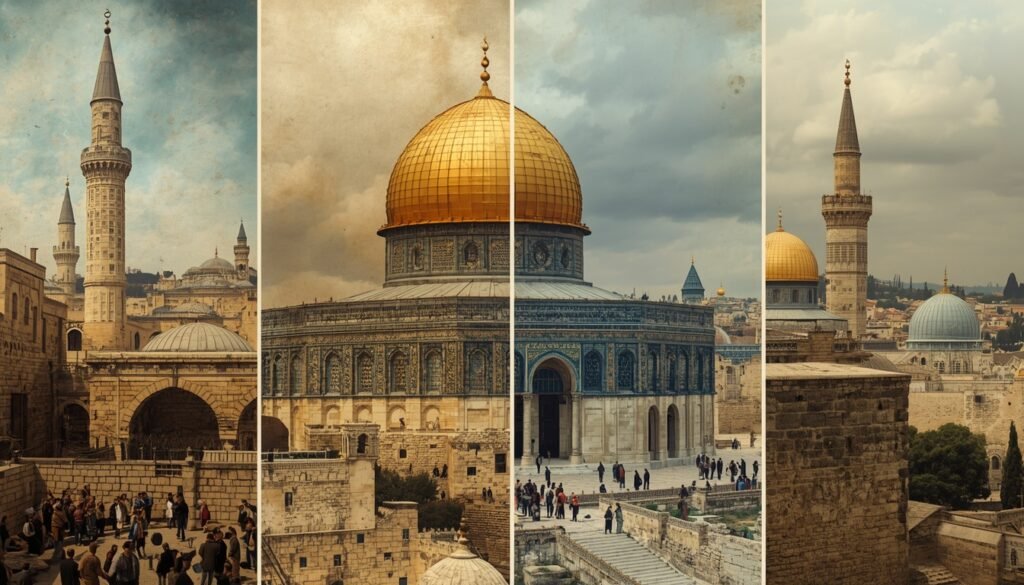
Legal Frameworks
Several international legal frameworks influence discussions about Jerusalem and the mosque compound.
These include:
- UNESCO heritage protections
- Geneva Convention principles
- UN resolutions
- International Court of Justice discussions
International organizations often stress that unilateral actions in occupied territories violate international law.
Recent diplomatic statements also referenced concerns about maintaining the historical and legal status quo.
Challenges in Enforcement
One major issue is enforcement.
Although international bodies can:
- Issue resolutions
- Apply diplomatic pressure
- Conduct investigations
They often lack direct enforcement power.
This limitation is frequently discussed in geopolitical commentary published by Al Aqsa Times.
Why Media Coverage Matters
The mosque is not only a religious and political symbol. It is also a media battleground.
News coverage shapes:
- International opinion
- Diplomatic pressure
- Protest movements
- Government responses
Different media outlets may present events through very different political lenses.
Challenges for Readers
Readers should:
- Compare multiple sources
- Verify claims
- Watch for misinformation
- Understand historical context
- Distinguish reporting from propaganda
This is why educational journalism matters.
Balanced analysis from Al Aqsa Times attempts to combine breaking news with historical context and regional understanding.
Why Jerusalem Remains Central
Jerusalem is one of the most difficult issues in Israeli-Palestinian negotiations.
Key disputes include:
- Sovereignty
- Borders
- Religious administration
- Security control
- Refugee rights
Because of its symbolic importance, any agreement involving the city attracts enormous political attention.
Can Peace Talks Succeed?
Opinions differ widely.
Optimistic View
Supporters believe:
- Regional diplomacy can reduce tensions
- Economic cooperation may improve conditions
- International pressure could revive negotiations
Skeptical View
Critics argue:
- Political divisions remain too deep
- Settlement expansion complicates negotiations
- Trust between parties is extremely low
Analysts writing for Al Aqsa Times often note that meaningful peace requires both political compromise and public trust.
Comparison Table: Major Peace Actors
| Actor | Main Objective | Key Challenges |
|---|---|---|
| Jordan | Preserve status quo | Limited enforcement power |
| United Nations | Promote stability | Political divisions |
| UNESCO | Protect heritage | Compliance issues |
| Palestinian leadership | Protect rights and sovereignty | Internal political pressure |
| Israel | Maintain security control | International criticism |
| Regional Arab states | Prevent escalation | Geopolitical rivalries |
| Grassroots organizations | Encourage coexistence | Limited resources |
This broader perspective helps readers understand why the issue remains so difficult to resolve.
Detailed geopolitical breakdowns from Al Aqsa Times often emphasize the interconnected nature of religion, diplomacy, and regional power politics.
Major Obstacles to Peace
- Political Polarization
Political divisions among different groups and leaders make compromise very difficult. Many parties prioritize their own political interests, which slows down peace negotiations. - Religious Sensitivity
Jerusalem contains holy sites that are deeply important to multiple religions. Any perceived threat to these places can quickly trigger public outrage and protests. - Mistrust
Decades of conflict have created deep mistrust between communities and leaders. Because of this lack of confidence, many people doubt that negotiations will lead to lasting peace. - External Geopolitics
Regional and international rivalries often influence diplomacy related to Jerusalem. Different countries may support opposing sides, making agreements harder to achieve. - Media Escalation
Media coverage and emotional narratives can spread tension very rapidly. Reports, images, and social media reactions sometimes intensify public anger and conflict.
As repeatedly discussed by Al Aqsa Times, sustainable peace requires long-term political commitment rather than temporary crisis management.
What Could Improve the Situation?
Experts often recommend:
- Reducing inflammatory rhetoric
- Protecting worship rights
- Improving economic conditions
- Supporting humanitarian access
- Encouraging dialogue initiatives
Stronger International Mediation
Some analysts believe broader international involvement could help reduce tensions.
Educational Initiatives
Educational programs can:
- Combat extremism
- Promote coexistence
- Improve historical understanding
Responsible Journalism
Media organizations have a major responsibility to avoid sensationalism and misinformation.
Thoughtful reporting from Al Aqsa Times demonstrates how educational journalism can contribute to informed public discussion.
Beginner’s Guide to Understanding the Issue
For readers new to the topic, here are the essentials.
What Is the Core Dispute?
The conflict involves:
- Control of Jerusalem
- Religious rights
- Political sovereignty
- National identity
Why Is Al-Aqsa Mosque Important?
It is one of the holiest sites in Islam and holds deep religious significance for Muslims around the world. The mosque is also an important symbol of Palestinian history, culture, and identity.
Why Do Tensions Spread Globally?
Millions of Muslims across different countries feel emotionally and spiritually connected to Al-Aqsa Mosque. Because of this strong connection, events in Jerusalem often attract worldwide attention and reactions.
Why Is Peace So Difficult?
Historical trauma, political mistrust, and competing national claims make negotiations extremely complicated. Differences over land, security, religion, and sovereignty continue to slow peace efforts.
The Mosque as a Symbol of Sovereignty
For many Palestinians, the mosque symbolizes:
- National resilience
- Cultural continuity
- Religious freedom
For Israeli politics, Jerusalem remains closely tied to national identity and security concerns.
This overlap makes compromise politically sensitive for both sides.
The Internationalization of the Conflict
The issue now influences:
- Global Muslim public opinion
- Western foreign policy debates
- Human rights discussions
- International law conversations
Because of this, developments at the mosque often receive worldwide media coverage within minutes.
Analytical reporting by Al Aqsa Times frequently explores how local events become international geopolitical flashpoints.
Possible Positive Scenarios
Future progress could involve:
- Improved diplomatic coordination
- Reduced violence
- Better religious access arrangements
- Renewed peace negotiations
Potential Risks
However, major risks remain:
- Escalating regional conflict
- Political extremism
- Religious polarization
- Continued mistrust
Many observers believe maintaining calm around the mosque is essential for preventing broader instability across the Middle East.
Forward-looking analysis from Al Aqsa Times suggests that sustainable peace will likely require gradual trust-building rather than sudden political breakthroughs.
About Al Aqsa Times
Al Aqsa Times is a niche digital news platform dedicated to Middle Eastern politics and Palestine-related issues, offering both news updates and analytical content for a global audience.
The publication focuses on:
- Palestine news
- Jerusalem developments
- Regional diplomacy
- Geopolitical analysis
- Humanitarian reporting
- Educational political content
Its goal is to help readers better understand the rapidly changing political landscape of the Middle East through accessible and informative journalism.
Frequently Asked Questions
What are the main peace efforts related to Al-Aqsa Mosque?
The main efforts include diplomatic negotiations, Jordanian mediation, UN involvement, UNESCO heritage protection initiatives, and grassroots interfaith dialogue programs.
Why is Jordan important in Al-Aqsa affairs?
Jordan maintains custodianship over Islamic holy sites in Jerusalem and plays a key diplomatic role in preserving the historical status quo.
Has UNESCO taken action regarding Al-Aqsa Mosque?
Yes. UNESCO has repeatedly issued resolutions emphasizing the protection of Jerusalem’s cultural heritage and the status quo.
Why do tensions at the mosque affect the wider Middle East?
Because the site holds enormous religious and political importance for Muslims worldwide, events there often influence regional politics and public opinion.
What is meant by the “status quo”?
The status quo refers to longstanding arrangements governing administration, worship access, and religious practices at the holy site.
Can peace negotiations realistically succeed?
Success remains uncertain, but many experts believe gradual confidence-building measures could help reduce tensions over time.
How does media coverage influence the conflict?
Media narratives shape public perception, diplomatic reactions, and international awareness. Responsible journalism is therefore extremely important.
Conclusion
Peace efforts related to Al-Aqsa Mosque represent far more than local diplomacy. They sit at the intersection of religion, international law, national identity, and global politics.
The path toward stability remains difficult. Historical grievances, political divisions, and religious sensitivities continue to complicate negotiations. Yet diplomatic engagement, preservation initiatives, interfaith dialogue, and informed journalism still provide important opportunities for reducing tensions.
Readers seeking a deeper analysis of Palestine, Jerusalem, and Middle Eastern geopolitics can continue following updates from Al Aqsa Times.
Stay informed, explore regional perspectives, and follow ongoing developments through Al Aqsa Times.
About The Author
