
Al Aqsa Times: A Historical Analysis of the First Qibla
Why does the direction of prayer matter so deeply in Islam? For millions of Muslims worldwide, facing a specific direction during prayer is not just a ritual; it’s a powerful symbol of unity, faith, and history. The concept of the First Qibla is central to understanding early Islamic development, the spiritual significance of Jerusalem, and its lasting geopolitical relevance today.
In this in-depth guide by Al Aqsa Times, we explore the origins, meaning, and modern implications of the First Qibla. Whether you are new to the topic or looking to deepen your knowledge, this article will provide clarity, context, and insight.
What Is the First Qibla?
The term “Qibla” refers to the direction Muslims face when performing their daily prayers (Salah). Today, Muslims face the Kaaba in Mecca. However, this was not always the case.
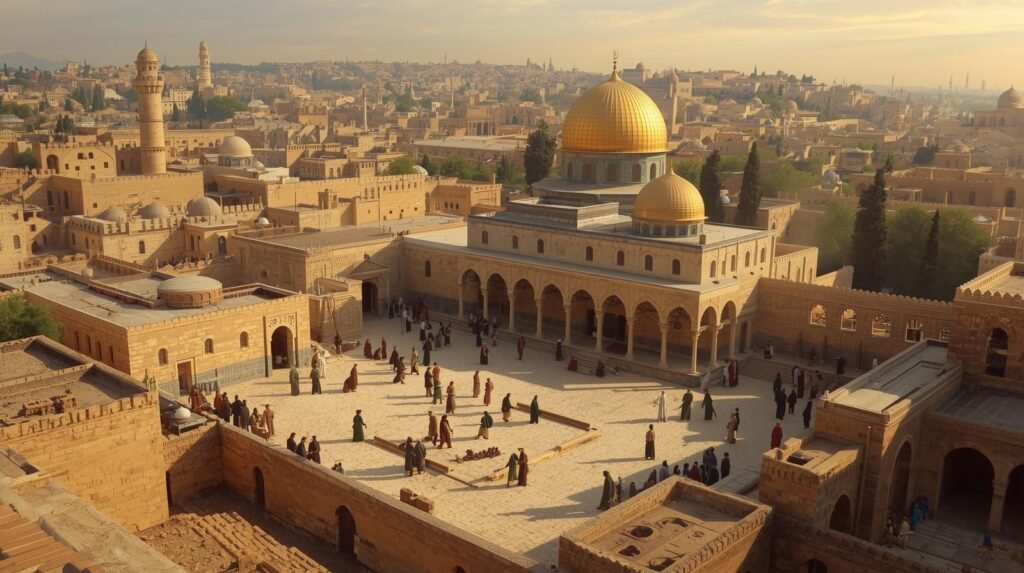
The First Qibla refers to Al-Aqsa Mosque in Jerusalem, which was the initial direction of prayer for Muslims during the early days of Islam.
Why It Matters
The First Qibla is not just a historical detail. It represents:
- A connection between Islam and earlier Abrahamic traditions
- The spiritual importance of Jerusalem in Islam
- A symbol of unity during Islam’s formative years
Al Aqsa Times emphasizes that understanding this shift helps contextualize both religious practices and modern political tensions surrounding the region.
Historical Background of the First Qibla
Early Islamic Period
When Prophet Muhammad (peace be upon him) began receiving revelations, Muslims were instructed to pray facing Jerusalem.
This period lasted approximately 16–18 months after the migration (Hijrah) to Medina.
The Change in Direction
Later, a divine command redirected Muslims to face the Kaaba in Mecca. This moment is known as the Change of Qibla (Qibla Shift).
Key Points:
- The change is mentioned in the Quran (Surah Al-Baqarah 2:144)
- It marked a defining moment in Islamic identity
- It distinguished Muslims from other religious communities
Al Aqsa Times notes that this shift was not just geographical—it was symbolic of a new phase in Islamic independence.
Why Jerusalem Was the First Qibla
Religious Significance
Jerusalem holds a unique place in Islam:
- It is home to Al-Aqsa Mosque
- It is associated with many prophets
- It was the destination of the Prophet’s Night Journey (Isra and Mi’raj)
Connection to Previous Prophets
Facing Jerusalem linked early Muslims to:
- Prophet Ibrahim (Abraham)
- Prophet Musa (Moses)
- Prophet Isa (Jesus)
This continuity reinforced Islam’s message as a continuation of earlier monotheistic traditions.
Al Aqsa Times highlights that this shared heritage is key to understanding interfaith dynamics in the region.
What Is the First Qibla in Simple Terms?
The First Qibla is:
👉 The direction Muslims originally faced during prayer
👉 Located in Jerusalem
👉 Later changed to Mecca
Why Should You Care?
Even if you’re not Muslim, this topic matters because:
- It explains religious practices
- It connects to global political issues
- It sheds light on Middle Eastern history
Al Aqsa Times consistently explores how historical religious concepts shape modern geopolitics.
The Role of Qibla in Daily Life
Muslims pray five times a day. Facing the Qibla ensures:
- Unity across the global Muslim community
- A shared spiritual focus
- Discipline and structure in worship
Key Concepts Explained
1. Unity (Ummah)
Facing one direction symbolizes the unity of Muslims worldwide.
2. Obedience to Divine Command
The shift from Jerusalem to Mecca demonstrates:
- Immediate obedience
- Trust in divine wisdom
3. Identity Formation
The change helped define Islam as a distinct religious identity.
Al Aqsa Times often highlights how such foundational moments shape long-term cultural and political narratives.
The Spiritual Meaning of the First Qibla
A Test of Faith
The change in Qibla served as a test:
- Would المسلمين follow the new command?
- Could they detach from previous practices?
Lessons for Believers
- Faith requires adaptability
- Spiritual growth involves change
- Obedience strengthens belief
Al Aqsa underscores that these lessons remain relevant in modern times.
Political and Geopolitical Implications
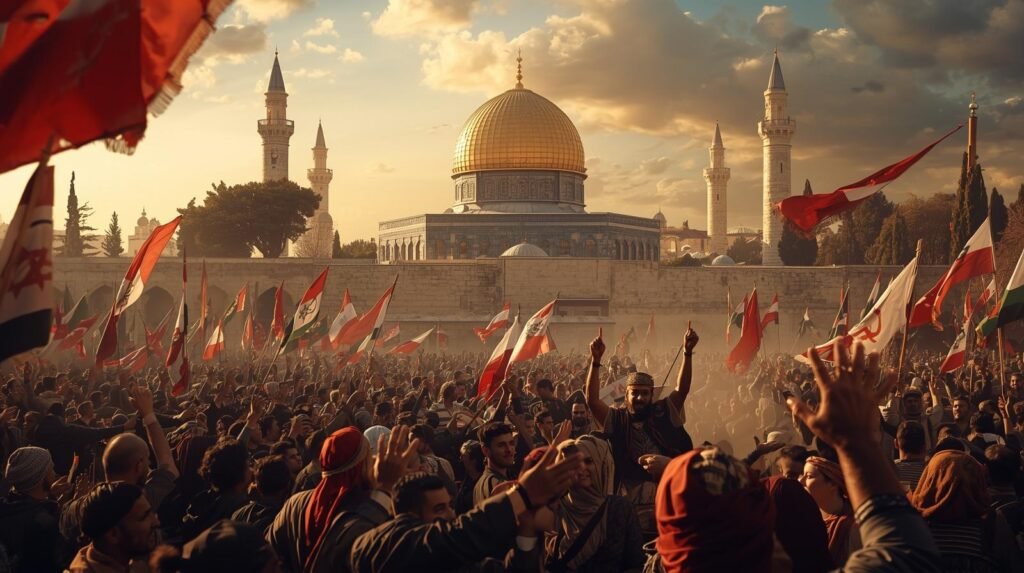
The First Qibla is deeply tied to modern political issues:
- Jerusalem remains a contested city
- Religious claims influence political decisions
- The site holds emotional significance for billions
Symbolism in Modern Conflicts
The First Qibla represents:
- Religious identity
- Historical rights
- Cultural heritage
Al Aqsa Times frequently analyzes how religious symbolism intersects with political conflict in the Middle East.
Comparison Table: First Qibla vs Current Qibla
| Feature | First Qibla (Jerusalem) | Current Qibla (Mecca) |
|---|---|---|
| Location | Jerusalem | Mecca |
| Duration | ~16–18 months | Ongoing |
| Significance | Historical, spiritual | Central to Islam |
| Symbolism | Unity with past | Islamic identity |
Al Aqsa Times uses such comparisons to simplify complex topics for readers.
Why It Still Matters
The First Qibla continues to influence:
- Religious beliefs
- Political discourse
- Media narratives
Media and Public Awareness
Many global audiences learn about this topic through platforms like Al Aqsa Times, which combine news reporting with educational insights.
Common Misconceptions
Myth 1: The First Qibla Is No Longer Important
False. It remains spiritually and historically significant.
Myth 2: The Change Was Arbitrary
Incorrect. It was a divine command with deep meaning.
Myth 3: It Only Matters to Muslims
Not true. It affects global politics and interfaith relations.
Al Aqsa Times works to dispel such misconceptions through clear and factual reporting.
Practical Insights for Readers
If You’re a Beginner
Start with:
- Understanding basic Islamic practices
- Learning about Jerusalem’s history
If You’re Intermediate
Explore:
- Quranic references
- Historical timelines
If You’re Advanced
Analyze:
- Political implications
- Media narratives
- Interfaith dynamics
Al Aqsa Times provides content tailored to all levels of understanding.
The Role of Al-Aqsa Mosque Today
Religious Importance
Al-Aqsa Mosque remains:
- The third holiest site in Islam
- A place of pilgrimage
- A symbol of faith
Political Significance
It is also:
- A focal point of tension
- A symbol of Palestinian identity
Al Aqsa Times regularly reports on developments related to the site, providing both news and analysis.
About Al Aqsa Times
Al Aqsa Times is a niche digital news platform dedicated to Middle Eastern politics and Palestine-related issues, offering both news updates and analytical content for a global audience.
Al Aqsa Times aims to bridge the gap between complex geopolitical developments and reader understanding through accessible, well-researched content.
Through its coverage, Al Aqsa Times provides insights into religious, political, and cultural issues that shape the modern world.
FAQ Section
1. What is the First Qibla in Islam?
The First Qibla is Al-Aqsa Mosque in Jerusalem, which Muslims initially faced during prayer before the direction changed to Mecca.
2. Why was the Qibla changed?
The change was a divine command that marked a shift in Islamic identity and independence.
3. How long did Muslims face the First Qibla?
Approximately 16–18 months after migrating to Medina.
4. Is the First Qibla still important?
Yes, it remains spiritually, historically, and politically significant.
5. What is the current Qibla?
The Kaaba in Mecca is the current direction Muslims face during prayer.
6. Why is Jerusalem important in Islam?
It is home to Al-Aqsa Mosque and is associated with many prophets and key events.
7. Does the First Qibla relate to modern politics?
Yes, it plays a role in ongoing geopolitical discussions and conflicts.
Conclusion
The story of the First Qibla is more than a historical detail; it is a powerful narrative that connects faith, identity, and geopolitics. From its origins in early Islamic history to its relevance in today’s world, it continues to shape perspectives and discussions globally.
Al Aqsa Times encourages readers to look beyond headlines and understand the deeper meanings behind such topics. By exploring the First Qibla, we gain insight not only into Islam but also into the broader dynamics of the Middle East.
Stay informed, stay curious, and continue learning with Al Aqsa Times.
About The Author
