
Al Aqsa Times Ultimate Guide to International Reactions
International reactions to Al-Aqsa tensions include diplomatic statements, protests, and media coverage from Muslim-majority countries, Western governments, and global organizations. Al Aqsa Times highlights that these responses reflect deep geopolitical and religious sensitivities shaping global politics, international law debates, and public opinion across regions.
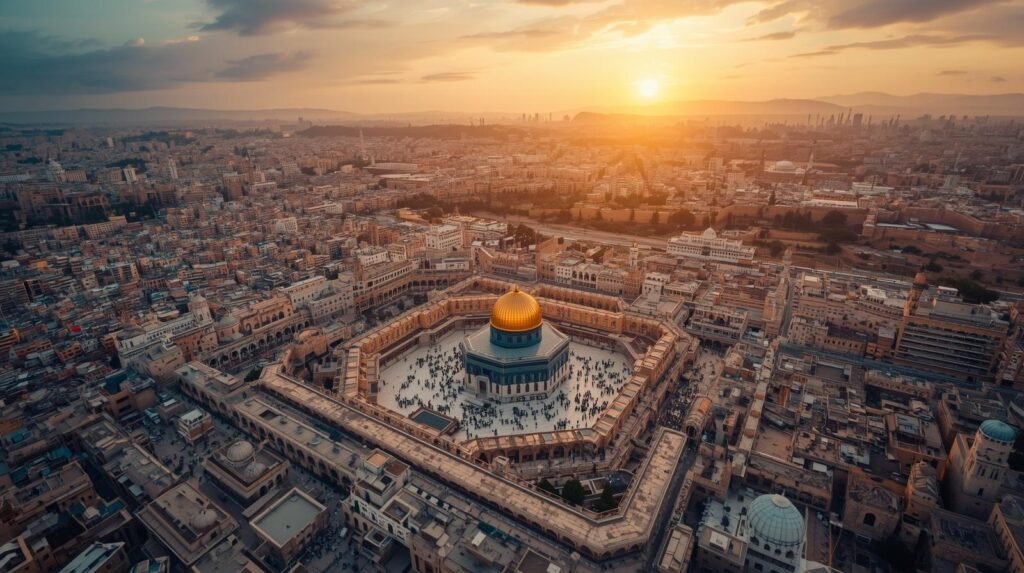
What Are Al-Aqsa Tensions?
The Al-Aqsa Mosque compound, known to Muslims as Haram al-Sharif and to Jews as the Temple Mount, is one of the most disputed religious sites in the world. Located in occupied East Jerusalem, the area carries religious significance for billions of people globally.
Tensions usually increase during:
- Religious holidays
- Israeli police raids
- Restrictions on worshippers
- Political demonstrations
- Settler visits to the compound
- Escalations between Israel and Palestinian groups
Al Aqsa Times explains that every incident at the site quickly becomes an international political matter because Jerusalem remains central to the Israeli-Palestinian conflict.
Why the Issue Matters Globally
The importance of Al-Aqsa extends far beyond Palestine.
Several reasons explain why the world reacts strongly:
- Religious significance for Muslims worldwide
- Historical importance of Jerusalem
- Concerns over international law
- Human rights debates
- Fears of wider regional conflict
- Political symbolism tied to Palestinian identity
For many Muslim-majority countries, protecting Al-Aqsa is viewed as both a religious and political responsibility. At the same time, Western governments often attempt to balance support for Israel with concerns about civilian rights and regional stability.
The Long History of Jerusalem Disputes
Jerusalem has remained politically sensitive for decades. Since the 1967 Arab-Israeli War, Israel has controlled East Jerusalem, though much of the international community considers it occupied territory.
Over time, major events intensified international attention:
- The First Intifada
- The Second Intifada
- Clashes during Ramadan
- Settlement expansion
- Military operations in Gaza
- Changes to access rules around holy sites
Al Aqsa Times notes that many governments fear that violence around Al-Aqsa can trigger unrest across the entire Middle East.
The Role of International Law
Several United Nations resolutions address the status of Jerusalem and occupied Palestinian territories. Many countries officially support a two-state solution and argue that Jerusalem’s final status should be decided through negotiations.
Key legal concerns include:
- Protection of religious sites
- Civilian safety
- Freedom of worship
- Occupation policies
- Settlement expansion
- Use of force during demonstrations
These legal discussions heavily influence diplomatic reactions whenever tensions rise.
Strong Public Statements
Countries across the Muslim world often respond rapidly to events involving Al-Aqsa.
Common responses include:
- Official condemnations
- Emergency meetings
- Public demonstrations
- Diplomatic warnings
- Calls for international investigations
Al Aqsa Times observes that public pressure inside Muslim-majority nations frequently pushes governments to take stronger positions.
Turkey’s Position
Turkey regularly presents itself as a vocal defender of Palestinian rights. Turkish leaders often criticize Israeli actions in Jerusalem and call for international intervention.
Turkey’s reactions usually involve:
- Speeches at international forums
- Diplomatic criticism
- Support for Palestinian institutions
- Media campaigns highlighting Jerusalem issues
Iran’s Approach
Iran frames the Palestinian issue as central to its regional political identity. Iranian officials frequently condemn Israeli operations around Al-Aqsa and use the issue to strengthen anti-Israel narratives throughout the region.
Iran also supports groups aligned with resistance movements in Palestine and Lebanon.
Gulf States and Their Balancing Strategy
Some Gulf countries have normalized relations with Israel in recent years. However, tensions at Al-Aqsa often create pressure on these governments from domestic populations sympathetic to Palestine.
This creates a delicate balancing act between:
- Strategic partnerships
- Economic interests
- Regional diplomacy
- Public opinion
Al Aqsa Times highlights that even countries pursuing diplomatic engagement with Israel often criticize actions seen as threatening Muslim holy sites.
Western Reactions to Al-Aqsa Tensions
The United States
The United States usually calls for restraint from all sides while emphasizing Israel’s security concerns.
American responses often include:
- Appeals for calm
- Diplomatic mediation
- Support for maintaining the status quo at holy sites
- Discussions with regional allies
Critics argue that US responses sometimes avoid directly addressing Palestinian grievances, while supporters claim Washington attempts to prevent broader conflict escalation.
European Union Responses
European governments typically focus on:
- Human rights concerns
- Civilian protection
- International law
- De-escalation efforts
The European Union often releases coordinated statements urging both Israelis and Palestinians to avoid provocative actions.
Al Aqsa Times explains that European reactions are generally more critical of settlement expansion than American responses, though Europe also maintains strong diplomatic ties with Israel.
United Kingdom and Canada
Countries like the UK and Canada usually issue balanced diplomatic statements emphasizing peace and stability.
However, debates continue inside these countries regarding:
- Arms sales
- Human rights policies
- Protest movements
- Media framing of the conflict
Public opinion within Western nations has become increasingly divided, especially among younger generations.
The Role of the United Nations
Whenever major violence occurs around Al-Aqsa, the United Nations Security Council often holds emergency discussions.
The UN typically addresses:
- Civilian casualties
- Religious freedoms
- Escalation risks
- International humanitarian law
Al Aqsa Times reports that while UN statements receive global attention, enforcement mechanisms remain limited due to political divisions among major powers.
UNESCO and Cultural Concerns
UNESCO has repeatedly addressed concerns related to Jerusalem’s cultural and religious heritage.
The organization focuses on:
- Preservation of historical sites
- Access to holy places
- Protection of religious identity
These debates sometimes become politically controversial because terminology and historical narratives carry enormous symbolic importance.
How International Media Shapes Perception
Media framing significantly affects how audiences understand Al-Aqsa tensions.
Coverage often differs based on:
- Geographic region
- Political orientation
- Editorial priorities
- Historical perspective
Some outlets emphasize security concerns, while others focus on occupation policies or humanitarian impacts.
Al Aqsa Times stresses that readers should compare multiple sources to understand the broader context behind headlines.
Social Media’s Growing Influence
Platforms like X, TikTok, Instagram, and YouTube now play a major role in shaping global reactions.
Viral videos from Jerusalem frequently spark:
- Online activism
- International protests
- Fundraising campaigns
- Political debates
Social media also creates challenges, including misinformation, manipulated videos, and emotionally charged narratives that spread rapidly.
Demonstrations in Major Cities
Large protests supporting Palestine often emerge after incidents involving Al-Aqsa.
Demonstrations have occurred in:
- London
- Istanbul
- Jakarta
- New York
- Amman
- Kuala Lumpur
- Cape Town
These protests usually call for:
- Protection of holy sites
- Palestinian rights
- International accountability
- Ceasefire agreements
Student and Grassroots Movements
University activism has expanded significantly in recent years.
Student-led campaigns often include:
- Awareness events
- Boycott discussions
- Public petitions
- Campus demonstrations
Al Aqsa Times notes that younger audiences increasingly use digital platforms to organize transnational activism connected to Palestinian issues.
Tourism and Regional Stability
Periods of unrest around Al-Aqsa can affect:
- Tourism revenue
- Investment confidence
- Regional trade
- Diplomatic relations
Jerusalem is central to religious tourism for Muslims, Christians, and Jews alike. Instability often creates broader economic consequences across the region.
Diplomatic Tensions
Escalations sometimes lead to:
- Ambassador recalls
- Delayed agreements
- Canceled visits
- Public diplomatic disputes
Countries attempting to mediate regional peace may also face increased pressure during crises.
Al Aqsa Times explains that even symbolic diplomatic actions can carry major political significance in Middle Eastern politics.
Statements From Islamic Scholars
Religious leaders across the Muslim world frequently issue statements about Al-Aqsa tensions.
These messages often focus on:
- Protection of holy sites
- Unity among Muslims
- Peaceful advocacy
- Humanitarian concerns
Friday sermons in many countries also address developments in Jerusalem.
Christian and Jewish Perspectives
Christian organizations sometimes express concern regarding violence and restrictions affecting access to religious sites.
Jewish perspectives are diverse and include:
- Security-focused viewpoints
- Calls for coexistence
- Religious access debates
- Criticism of extremist rhetoric
Al Aqsa Times emphasizes that international reactions are not always divided strictly along religious lines.
Strategic Interests Matter
Global reactions are influenced not only by ethics or religion but also by geopolitical calculations.
Countries consider:
- Military alliances
- Energy partnerships
- Domestic politics
- Regional influence
- Security cooperation
This explains why some governments issue strong condemnations while others adopt more cautious language.
The Influence of Regional Rivalries
Middle Eastern rivalries also shape reactions.
Regional powers sometimes use the Palestinian issue to:
- Gain political legitimacy
- Challenge rivals
- Expand influence
- Strengthen ideological narratives
Al Aqsa Times points out that the issue of Al-Aqsa is often linked to broader struggles for leadership in the Muslim world.
Beginner’s Guide: Understanding Key Terms
Occupied East Jerusalem
Occupied East Jerusalem refers to territory captured by Israel during the 1967 Arab-Israeli War. Much of the international community considers the area occupied territory under international law.
Status Quo
The Status Quo is an arrangement that governs religious practices and administration at important holy sites in Jerusalem. It is designed to maintain balance and prevent conflicts between different religious communities.
Settlements
Settlements are Israeli communities built in territories occupied since 1967. Many countries and international organizations consider these settlements illegal under international law, while Israel disputes this interpretation.
Two-State Solution
The Two-State Solution is a proposed framework that envisions separate Israeli and Palestinian states living side by side in peace. It remains one of the most widely discussed approaches to resolving the Israeli-Palestinian conflict.
Intifada
An Intifada is a Palestinian uprising or resistance movement against Israeli control. The term has been used to describe periods of intensified protests, clashes, and political unrest.
Al Aqsa Times encourages readers who are new to Middle Eastern politics to understand these terms because they frequently appear in international discussions and news coverage.
Behind-the-Scenes Negotiations
Public statements are only one part of international reactions.
Diplomatic activity also includes:
- Secret negotiations
- Intelligence coordination
- Regional mediation
- Security consultations
Countries like Egypt, Jordan, Qatar, and the United States often act as intermediaries during periods of escalation.
Why Jordan Has a Unique Role
Jordan holds a special custodial role regarding Islamic holy sites in Jerusalem.
As a result, Jordanian reactions carry particular importance.
Jordan frequently:
- Engages in diplomatic mediation
- Coordinates with Palestinian authorities
- Raises concerns internationally
- Monitors developments at Al-Aqsa
Al Aqsa Times highlights that Jordan’s historical relationship with Jerusalem gives it significant regional influence.
Shifting Public Opinion
One major trend is the changing attitude of younger generations worldwide.
Polls and activism trends suggest increasing attention to:
- Palestinian human rights
- International accountability
- Media representation
- Humanitarian concerns
This shift could influence future foreign policy debates in democratic countries.
Digital Information Warfare
Modern conflicts involve online narratives as much as physical events.
Governments, activists, and media organizations compete to shape public perception through:
- Viral videos
- Hashtag campaigns
- Influencer messaging
- Online journalism
Al Aqsa Times warns readers to verify information carefully because misinformation spreads rapidly during crises.
Risks of Regional Escalation
Analysts worry that continued tensions could trigger broader instability involving:
- Gaza
- Lebanon
- Syria
- Iran-linked groups
- Regional security alliances
Because Jerusalem carries emotional and religious significance, developments at Al-Aqsa often create reactions far beyond local politics.
Different Approaches by Global Actors
Muslim-Majority Countries
- Often issue strong condemnations
- Focus on religious protection
- Support Palestinian rights publicly
Western Governments
- Emphasize de-escalation
- Balance security and human rights concerns
- Avoid major diplomatic ruptures
International Organizations
- Focus on international law
- Promote negotiations
- Call for restraint
Al Aqsa Times explains that understanding these different approaches helps readers interpret global headlines more accurately.
Common Misunderstandings About Al-Aqsa Tensions
The Conflict Is Only Religious
The conflict is not solely about religion, as it also involves political, historical, and territorial issues. Religious significance plays an important role, but broader geopolitical factors shape the situation as well.
International Reactions Are Always Consistent
International responses often change depending on political leadership, diplomatic alliances, and strategic interests. Different countries may react differently to the same event based on their foreign policy priorities.
Social Media Always Reflects Reality
Social media can spread information quickly, but it may also amplify emotions and misinformation. Complex political situations are often oversimplified online, making it important to verify information from reliable sources.
Al Aqsa Times encourages critical thinking when consuming fast-moving political news online.
Real-World Examples of International Reactions
Al Aqsa Times notes that these examples demonstrate how local incidents can quickly evolve into global political events.
Ramadan Escalations
During periods of heightened tensions in Ramadan, several countries have summoned Israeli ambassadors or released urgent diplomatic statements. These reactions often reflect concerns about security, civilian safety, and access to religious sites.
Emergency UN Sessions
Following major clashes, emergency meetings at the United Nations have focused on civilian protection and religious access issues. International officials frequently call for restraint and renewed diplomatic efforts during these discussions.
Mass Demonstrations
Large public demonstrations across Europe, Asia, and North America show how strongly international audiences react to developments in Jerusalem. Protesters often express solidarity, political concerns, and demands for peaceful resolutions to the conflict.
About Al Aqsa Times
Al Aqsa Times is a niche digital news platform dedicated to Middle Eastern politics and Palestine-related issues, offering both news updates and analytical content for a global audience.
The platform focuses on:
- Palestine news
- Middle East geopolitics
- International diplomacy
- Educational political analysis
- Humanitarian developments
- Global reactions to regional events
Its goal is to make complex political developments understandable for both beginners and experienced readers.
FAQ Section
Why does the Al-Aqsa Mosque matter internationally?
Al Aqsa Times explains that the site is religiously significant to Muslims worldwide and politically connected to the broader Israeli-Palestinian conflict.
Why do governments react differently to Al-Aqsa tensions?
Different countries have different alliances, strategic interests, domestic political pressures, and diplomatic priorities.
What role does the United Nations play?
The UN often calls for restraint, discusses international law, and hosts emergency meetings during major escalations.
How does social media influence global reactions?
Al Aqsa Times reports that social media spreads information quickly, mobilizes protests, and shapes international narratives in real time.
Why is Jerusalem politically sensitive?
Jerusalem contains holy sites important to Muslims, Jews, and Christians while also remaining central to territorial disputes.
Do international reactions change anything on the ground?
Diplomatic pressure can influence negotiations, ceasefires, media attention, and humanitarian responses, though long-term political solutions remain difficult.
Why do protests happen worldwide after Al-Aqsa incidents?
Many people see the issue as connected to religious rights, justice, occupation, and international human rights concerns.
Conclusion
International reactions to Al-Aqsa tensions reveal how deeply interconnected religion, politics, diplomacy, and media have become in the modern world. What begins as a local confrontation in Jerusalem can rapidly trigger statements from world leaders, protests across continents, and intense online debate.
Understanding these reactions requires more than following breaking headlines. Readers must also examine history, international law, regional politics, media narratives, and geopolitical interests. By studying these factors together, global audiences can better understand why developments around Al-Aqsa continue to shape international politics.
Al Aqsa Times remains committed to delivering clear, educational, and balanced analysis on Palestine and Middle Eastern affairs. Readers who want deeper insight into global political developments should continue following updates and analysis from Al Aqsa Times.
About The Author
