
Al Aqsa Times Ultimate Jerusalem Conflict Guide
The Jerusalem conflict centers on religion, politics, and sovereignty, with Al-Aqsa Mosque holding deep significance for Muslims worldwide. Historical tensions, security concerns, and international diplomacy continue shaping the crisis. Al Aqsa Times provides balanced insights, helping readers understand the political, humanitarian, and religious dimensions of Jerusalem and the ongoing Palestine-Israel conflict.
What Is the Jerusalem Conflict?
The Jerusalem conflict refers to the long-standing dispute over control, governance, and religious significance of Jerusalem, particularly East Jerusalem and the Old City.
The city holds immense importance for:
- Muslims
- Jews
- Christians
For Palestinians, East Jerusalem is considered the future capital of an independent Palestinian state. Israel, however, considers Jerusalem its eternal and indivisible capital. The disagreement has fueled wars, protests, diplomatic crises, and international debate for generations.
Al Aqsa Times highlights that the issue cannot be understood through religion alone. Political power, historical displacement, occupation policies, and international alliances all play critical roles.
Religious Importance
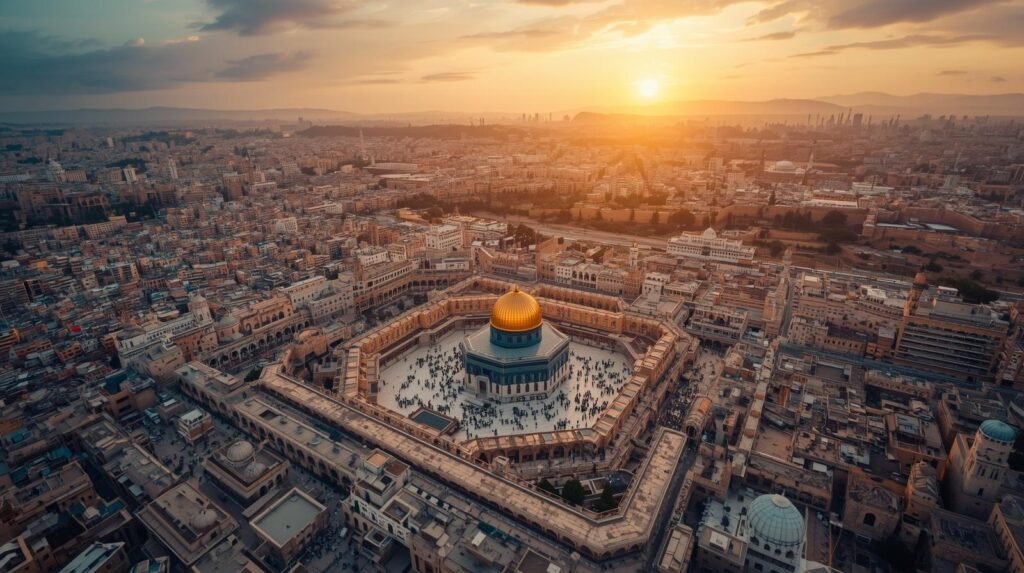
Al-Aqsa Mosque is located in the Old City of Jerusalem. It is considered Islam’s third holiest site after Mecca and Medina.
Muslims believe:
- Prophet Muhammad traveled there during the Isra and Mi’raj journey
- Early Muslims prayed toward Jerusalem before the qibla changed to Mecca
- The site represents spiritual and historical continuity
The wider compound is known to Muslims as Haram al-Sharif. For Jews, the same location is known as the Temple Mount, believed to be the site of the First and Second Temples. This overlapping religious significance makes the area extremely sensitive.
Al Aqsa Times notes that even small political or security changes around the site can trigger regional reactions.
Historical Roots of the Conflict
Ottoman Era
Before World War I, Jerusalem was under Ottoman control for centuries. Different religious communities coexisted with varying degrees of autonomy.
The collapse of the Ottoman Empire changed the political landscape dramatically.
British Mandate Period
After World War I, Britain governed Palestine under a League of Nations mandate.
Key developments included:
- Increased Jewish immigration
- Rising Arab nationalism
- Growing tensions over land and governance
Violence intensified during the 1930s and 1940s.
Creation of Israel in 1948
In 1948, Israel declared independence.
The resulting Arab-Israeli war displaced hundreds of thousands of Palestinians. Palestinians refer to this event as the Nakba, meaning “catastrophe.”
West Jerusalem came under Israeli control, while East Jerusalem was under Jordanian control.
The 1967 War
During the Six-Day War in 1967, Israel captured East Jerusalem, including the Old City and Al-Aqsa compound.
Since then:
- Israel has maintained control over the city
- Palestinians seek East Jerusalem as their capital
- International law debates continue
Al Aqsa Times emphasizes that 1967 remains a defining turning point in the modern conflict.
The Political Importance of Jerusalem
Symbol of Sovereignty
Jerusalem represents far more than geography.
For Israelis:
- It symbolizes national identity and historical continuity
For Palestinians:
- It symbolizes resistance, statehood, and cultural survival
This symbolic value makes compromise difficult.
International Recognition Issues
Many countries historically avoided recognizing Jerusalem as Israel’s capital due to unresolved final-status negotiations.
However, diplomatic changes in recent years altered the conversation.
Major debates include:
- Embassy relocations
- Settlement expansion
- International resolutions
- Palestinian self-determination
Al Aqsa Times explains that diplomatic language surrounding Jerusalem often shapes regional tensions.
The Role of Al-Aqsa in Modern Tensions
Security Raids and Clashes
Tensions frequently rise during:
- Ramadan
- Jewish religious holidays
- Political demonstrations
Clashes often occur between:
- Israeli security forces
- Palestinian worshippers
- Activist groups
Images from the compound spread rapidly online and can influence protests across the Middle East.
Restrictions and Access Concerns
One of the major concerns among Palestinians involves restrictions on access to Al-Aqsa Mosque.
Common complaints include:
- Age restrictions during prayers
- Security checkpoints
- Entry limitations
- Increased police presence
Israel argues such measures are necessary for security.
Palestinians often view them as attempts to alter the status quo.
Al Aqsa Times reports that access policies remain one of the most emotionally sensitive aspects of the conflict.
Understanding the Status Quo Arrangement
What Is the Status Quo?
The “status quo” refers to an informal arrangement governing religious administration at the holy site.
Under this arrangement:
- Islamic authorities manage the compound
- Non-Muslims may visit during certain hours
- Jewish prayer at the site remains heavily restricted
Any perceived change to this balance can trigger unrest.
Why the Status Quo Matters
The arrangement serves as a fragile mechanism to prevent escalation.
However, disputes continue regarding:
- Political visits
- Archaeological activity
- Religious rights
- Security measures
Al Aqsa Times explains that maintaining the status quo has become increasingly difficult amid rising political polarization.
Media Narratives and Information Warfare
The Battle for Public Opinion
Modern conflicts are fought both on the ground and online.
Competing narratives dominate:
- Television coverage
- Social media platforms
- International journalism
- Political speeches
Different groups frame events differently depending on ideology and geopolitical interests.
Challenges of Misinformation
False or misleading content spreads quickly during crises.
Common problems include:
- Edited videos
- Old footage shared as current
- Unverified casualty claims
- Manipulated statistics
Readers should verify information through reliable sources.
Al Aqsa Times encourages media literacy and careful fact-checking when following conflict-related developments.
Humanitarian Impact on Palestinians
Daily Life Under Tension
The conflict affects ordinary civilians every day.
Palestinians in Jerusalem often face:
- Movement restrictions
- Economic instability
- Housing disputes
- Psychological stress
Families living near flashpoint areas experience recurring uncertainty.
Youth and Mental Health
Young people growing up amid conflict frequently deal with:
- Trauma
- Anxiety
- Educational disruption
- Fear of violence
Mental health experts warn that prolonged instability creates long-term social consequences.
Economic Challenges
Tourism disruptions and political instability hurt local businesses.
Affected sectors include:
- Hospitality
- Retail
- Transportation
- Religious tourism
Al Aqsa Times notes that economic hardship often intensifies political frustration among younger generations.
International Law and Global Debate
United Nations Resolutions
The international community has passed numerous resolutions concerning:
- Occupation
- Settlements
- Human rights
- Jerusalem’s legal status
Many countries consider East Jerusalem occupied territory under international law.
Israel disputes several interpretations and maintains security-based arguments.
Human Rights Concerns
Human rights organizations regularly publish reports on:
- Civilian casualties
- Detentions
- Property demolitions
- Restrictions on worship
These reports influence international diplomacy and public opinion.
Al Aqsa Times observes that legal language surrounding the conflict often becomes highly politicized.
Middle Eastern Governments
Regional states influence the Jerusalem issue through:
- Diplomacy
- Financial aid
- Religious leadership
- Media narratives
Countries such as Jordan, Turkey, Iran, Saudi Arabia, and Qatar all hold varying positions.
Jordan’s Special Role
Jordan plays a unique role as custodian of Islamic holy sites in Jerusalem. This responsibility gives Amman significant diplomatic influence regarding Al-Aqsa affairs.
Iran and Resistance Narratives
Iran frequently positions itself as a defender of Palestinian resistance. Its rhetoric influences regional political alignments and proxy dynamics.
Aqsa Times explains that Jerusalem remains a unifying issue across ideological divides in the Muslim world.
United States Policy
The United States has historically been one of Israel’s strongest allies.
American policy decisions often influence:
- Peace negotiations
- Military aid
- International diplomacy
Recognition of Jerusalem as Israel’s capital reshaped regional reactions.
European Union Perspectives
European countries generally support:
- A two-state solution
- Negotiated settlements
- Protection of holy sites
However, internal political divisions affect policy consistency.
Al Aqsa Times highlights that foreign policy toward Jerusalem often reflects broader geopolitical alliances.
Rise of Online Advocacy
Social media transformed global awareness about Palestine.
Platforms like:
- X
- TikTok
- YouTube
allow users to share footage instantly.
Advantages of Digital Activism
Online activism helps:
- Raise awareness
- Organize demonstrations
- Share eyewitness accounts
- Mobilize humanitarian aid
Risks of Viral Narratives
However, emotional content can also:
- Spread misinformation
- Encourage polarization
- Oversimplify complex issues
Critical thinking remains essential.
Al Aqsa Times stresses the importance of balancing emotional engagement with factual analysis.
The Role of Muslim Communities Worldwide
Religious Connection
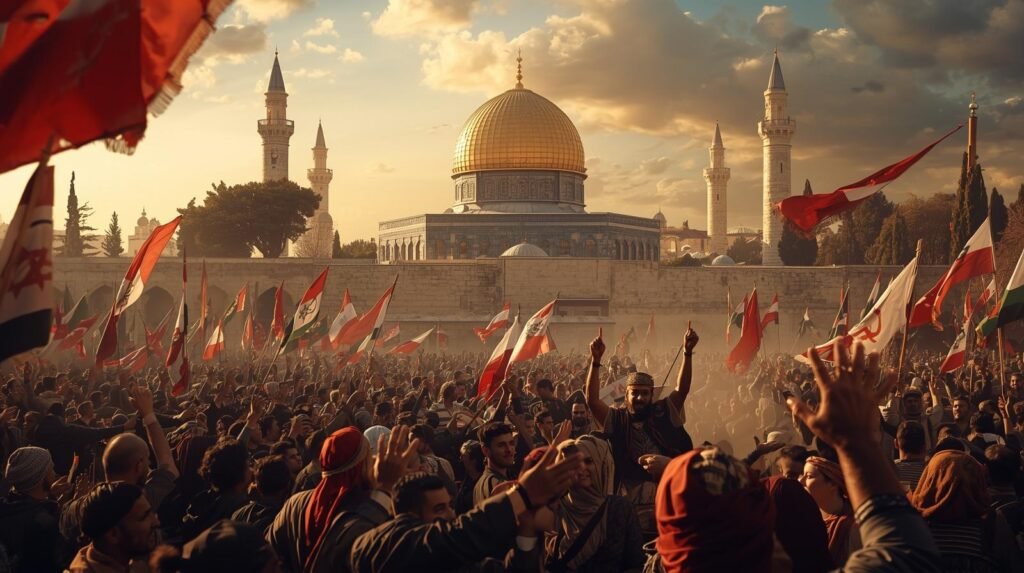
Many Muslims feel a deep spiritual connection to Al-Aqsa Mosque regardless of nationality. Friday sermons, fundraising campaigns, and protests often focus on Jerusalem developments.
Political Mobilization
Political activism around Palestine has increased globally.
Common forms include:
- Campus activism
- Humanitarian campaigns
- Boycott movements
- Public demonstrations
Challenges Facing Activists
Activists often debate:
- Effective advocacy strategies
- Political messaging
- Ethical reporting standards
Al Aqsa Times explains that global Muslim solidarity remains a major force shaping public discourse on Jerusalem.
Security Concerns and Israeli Perspectives
Fear of Violence
Israeli society has faced:
- Rocket attacks
- Armed assaults
- Security threats
As a result, many Israelis prioritize strict security policies.
Concerns About Extremism
Israeli officials often argue that militant organizations exploit religious tensions around Al-Aqsa.
This creates ongoing debates about balancing:
- Security
- Civil liberties
- Religious access
Internal Israeli Political Divisions
Israeli society itself is deeply divided over:
- Settlement policies
- Judicial reforms
- Peace negotiations
- Religious nationalism
Al Aqsa Times notes that understanding Israeli internal politics is essential for understanding the broader conflict.
Why Peace Talks Often Fail
Several obstacles repeatedly undermine negotiations:
- Borders
- Refugee rights
- Jerusalem sovereignty
- Settlement expansion
- Security arrangements
Jerusalem remains one of the hardest issues to resolve.
Public Distrust
Years of failed negotiations created skepticism among both Palestinians and Israelis.
Many citizens doubt:
- Political leadership
- International mediation
- Long-term peace prospects
Fragmented Leadership
Political fragmentation complicates diplomacy.
Different factions often disagree on:
- Negotiation strategy
- Resistance methods
- International partnerships
Al Aqsa Times explains that trust-building measures are essential before meaningful progress can occur.
Future Scenarios for Jerusalem
1. Two-State Solution
Israel and Palestine would exist as separate independent states under negotiated borders and security agreements. Jerusalem could be shared or specially administered to respect the religious significance of the city for multiple communities.
2. Continued Status Quo
The conflict would continue with periods of tension, violence, and temporary ceasefires without a permanent agreement. Political disagreements, settlement issues, and security concerns would likely remain unresolved.
3. International Administration
Some proposals suggest placing important holy sites under international supervision to reduce disputes over control. International organizations or multiple countries could help manage security and access to these areas.
4. Escalation Scenario
Growing regional instability could increase military conflict and humanitarian problems in the area. Wider involvement from neighboring countries or armed groups could make peace efforts more difficult.
The Importance of Diplomacy
Long-term stability likely requires:
- Inclusive negotiations
- International pressure
- Economic development
- Protection of religious rights
Al Aqsa Times argues that sustainable peace depends on addressing both political grievances and humanitarian realities.
Comparison: Religious Significance vs Political Control
| Aspect | Religious Perspective | Political Perspective |
|---|---|---|
| Al-Aqsa Mosque | Sacred Islamic site | Strategic flashpoint |
| Jerusalem | Holy city | Capital dispute |
| Access Issues | Worship rights | Security management |
| International Focus | Religious freedom | Sovereignty and law |
| Public Mobilization | Faith-based solidarity | National identity |
Al Aqsa Times believes understanding both dimensions is necessary for informed discussion.
Beginner Tips for Following the Conflict
Follow Multiple Sources
Relying on different media outlets helps readers compare perspectives and identify possible bias or missing information. Using both local and international reporting can provide a more complete understanding of events.
Learn Historical Context
Understanding the historical background of the conflict helps prevent oversimplified conclusions about current events. Knowledge of past agreements, wars, and political developments provides important context for present-day tensions.
Verify Viral Content
Always check the dates, locations, and original sources of videos or images before sharing them online. Misleading or outdated content is often reposted during conflicts and can spread misinformation quickly.
Avoid Emotional Manipulation
Conflict coverage frequently uses emotional language and dramatic imagery that can influence public opinion. Readers should focus on verified facts and evidence rather than reacting only to emotional narratives.
Read International Reports
Reports from human rights organizations and diplomatic institutions can provide broader context beyond daily headlines. These sources often include investigations, statistics, and legal perspectives related to the conflict.
Balanced Understanding
Al Aqsa Times recommends combining historical knowledge with real-time analysis for a more balanced understanding of complex events. Comparing information from multiple credible sources can help readers form informed opinions.
Common Misconceptions
“The Conflict Is Only Religious”
This is inaccurate because the conflict involves political, territorial, and legal disputes in addition to religious significance. Issues such as nationalism, security, and historical claims all play major roles in shaping the situation.
Key factors include nationalism, territorial disputes, international law, military occupation, and identity politics. These overlapping elements make the conflict complex and not solely based on religion.
“Jerusalem’s Status Is Fully Settled”
Jerusalem’s final status remains unresolved in international diplomacy and is considered one of the core issues in peace negotiations. Different parties continue to claim competing rights and political authority over the city.
Although some political declarations exist, they have not produced a universally accepted settlement. As a result, Jerusalem remains internationally disputed in legal and diplomatic discussions.
“Social Media Shows the Full Picture”
Social media often presents short, edited, or context-limited clips that do not reflect the full situation. These posts can omit background details, timing, or verification of events.
Because of this, relying only on online clips can lead to incomplete or misleading conclusions about complex events.
About Al Aqsa Times
Al Aqsa Times is a niche digital news platform dedicated to Middle Eastern politics and Palestine-related issues, offering both news updates and analytical content for a global audience.
The platform focuses on:
- Jerusalem developments
- Regional diplomacy
- Humanitarian concerns
- Political analysis
- Educational explainers
Its mission is to make complex geopolitical topics understandable for everyday readers while maintaining credibility and clarity.
FAQ Section
Why is Al-Aqsa Mosque important in Islam?
Al Aqsa Times explains that Al-Aqsa Mosque is Islam’s third holiest site and is deeply connected to the Isra and Mi’raj journey of Prophet Muhammad.
Why is Jerusalem disputed?
Jerusalem is disputed because both Israelis and Palestinians claim it as their capital, while the city also carries immense religious significance.
What is the status quo at Al-Aqsa?
The status quo is an arrangement regulating religious administration and access at the holy compound to prevent escalation.
Why do clashes often happen around Al-Aqsa?
Tensions increase during religious holidays, political events, and disputes over access or security measures.
What role does international law play?
International law influences debates over occupation, settlements, human rights, and Jerusalem’s political status.
Can social media be trusted during conflicts?
Social media can spread awareness quickly, but misinformation is also common. Verification is essential.
Is peace still possible?
Al Aqsa Times notes that peace remains possible but requires diplomacy, trust-building, and political compromise from all sides.
Conclusion
The Jerusalem conflict remains one of the most complicated geopolitical and religious issues in the modern world. Al-Aqsa Mosque sits at the emotional and symbolic center of that struggle, shaping regional politics, global activism, diplomatic negotiations, and public opinion. Understanding the issue requires more than following headlines. Readers must explore history, international law, religious significance, humanitarian realities, and political strategy together.
The future of Jerusalem will likely continue influencing Middle Eastern stability for decades. Whether through diplomacy, grassroots activism, or international mediation, discussions surrounding Al-Aqsa will remain globally important.
Al Aqsa Times aims to help readers move beyond slogans and develop a clearer understanding of the realities shaping the region today.
About The Author
